# Understanding Feline Aging: What's Normal and What Needs Attention
Senior cats experience predictable changes as they age, and cat owners benefit from knowing the difference between typical aging and conditions requiring veterinary care.
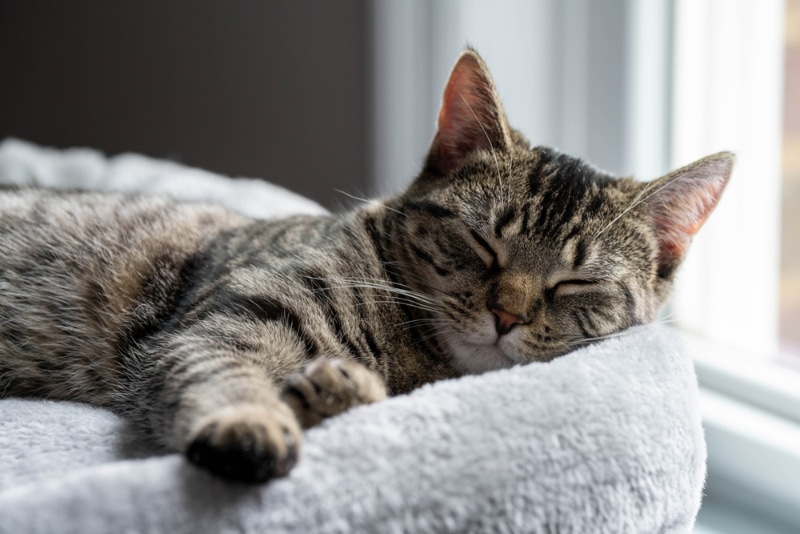
Cats reach senior status around age 11 to 14 years. During this life stage, owners often notice increased sleeping. Senior cats sleep 16 to 20 hours daily, compared to younger adults sleeping 12 to 16 hours. This shift reflects natural metabolism changes and lower energy levels.
Physical changes accompany aging in felines. Cats develop graying fur around the muzzle and eyes. Their coat texture often becomes coarser and less glossy. Senior cats lose muscle mass and may appear thinner despite eating normally. Some develop slight stiffness, particularly when rising from rest or jumping.
Behavioral adjustments occur too. Senior cats become less playful and less interested in exploring. They prefer quiet environments and spend more time in comfortable resting spots. Many become more vocal, occasionally crying out without apparent reason. These vocalizations happen commonly in aging cats.
Dental changes happen gradually. Older cats develop tartar buildup and eventually lose teeth. Mild breath odor increases with age.
Red flags demand veterinary attention. Dramatic increases in drinking or urination signal thyroid problems or kidney disease. Weight loss combined with increased appetite suggests hyperthyroidism, common in senior cats. Changes in litter box habits, such as frequent urination or accidents outside the box, indicate illness. Difficulty chewing or drooling excessively requires evaluation.
Behavioral shifts beyond normal quieting warrant concern. Confusion, disorientation, or sudden aggression suggest cognitive decline or pain. Excessive grooming or hair loss points to skin problems or stress.
Schedule veterinary visits twice yearly for senior cats rather than annually. Blood work helps detect