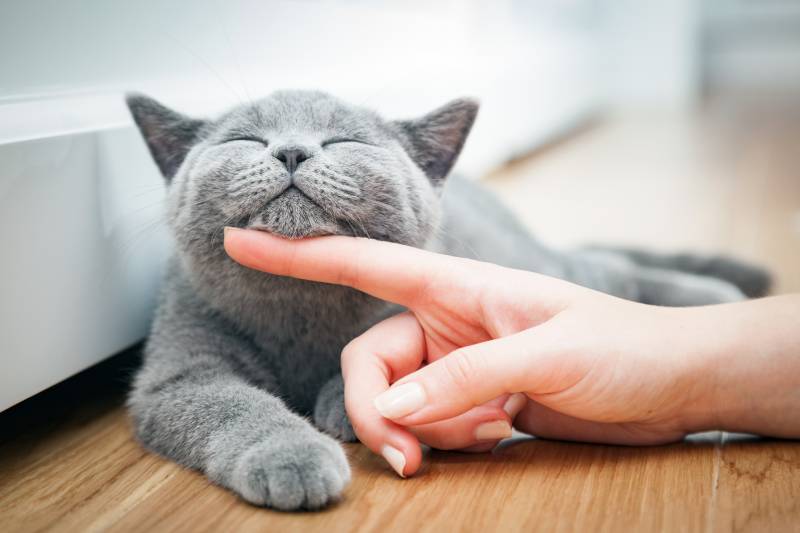
Researchers have developed a new assessment tool to evaluate feline quality of life, moving beyond traditional health metrics to capture the emotional well-being of cats in home environments. The framework examines both positive and negative behavioral indicators that reveal how content, stressed, or anxious individual cats feel day to day.
The evaluation system tracks specific behaviors that signal feline happiness. Cats that purr regularly, seek human interaction, play actively, and maintain relaxed body postures score higher on contentment scales. Researchers also assess environmental enrichment, noting whether cats have access to vertical spaces, scratching posts, toys, and opportunities for natural hunting behaviors.
Conversely, the tool identifies warning signs of poor quality of life. Excessive hiding, destructive behavior, over-grooming, aggression, and withdrawal from family members indicate stress or depression. Litter box issues and changes in eating habits also factor into the overall assessment.
The new metric recognizes that cats experience emotional states distinct from mere physical health. A cat may have no medical conditions yet still suffer from boredom, anxiety, or social isolation. This framework helps veterinarians and cat owners identify wellness problems that standard checkups might miss.
Implementing this assessment during veterinary visits gives practitioners a clearer picture of each cat's mental state. Owners can discuss environmental modifications, play schedules, and behavioral changes with their vet. The tool also helps researchers understand which household factors most directly influence feline happiness.
The framework applies to cats of all ages and backgrounds, whether they live indoors, outdoors, or in multi-cat households. Early identification of quality-of-life issues allows owners to intervene before behavioral or health problems escalate.
Feline behavior specialists developed this tool by reviewing decades of cat behavior research and consulting with veterinarians across multiple practices. The result provides a standardized, evidence-based way to discuss and improve the lives of house