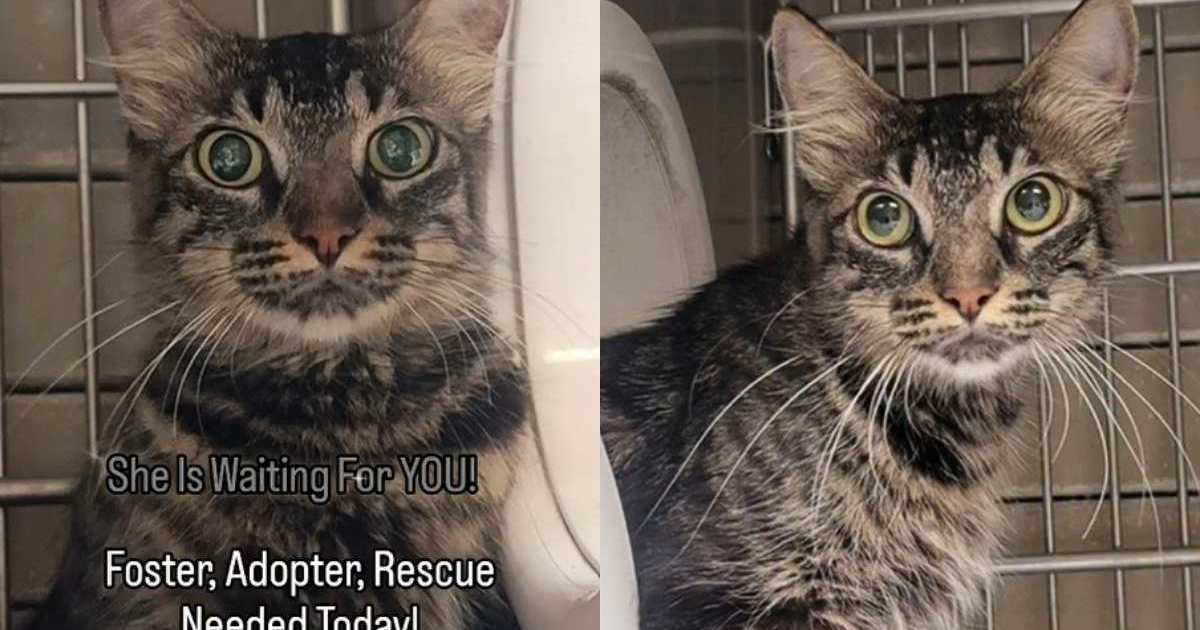
Lidia, a one-year-old spayed cat at a shelter, is struggling with the stress of her environment and desperately needs adoption. Though physically healthy, she finds the constant noise, barking dogs, and unfamiliar surroundings overwhelming, making it hard for her to relax or show her true personality to potential adopters.
Shelter stress affects cats differently than it affects dogs. While some felines adapt quickly to kennel life, others like Lidia experience anxiety that can mask their actual temperament and behavior. Cats are territorial animals that rely heavily on routine and familiar spaces. When that security vanishes, they often withdraw, hide, or display behavioral changes that don't reflect their real nature.
This situation highlights a serious challenge shelters face. Stressed cats spend longer in shelters waiting for homes, which compounds their anxiety and makes adoption less likely. The longer Lidia stays, the more her mental health deteriorates, creating a difficult cycle. A home environment, even a temporary foster placement, would allow her to decompress and show adopters who she really is.
Potential adopters interested in Lidia should understand that her current behavior in the shelter may not represent her personality once she settles into a calm home. Many anxious shelter cats transform within days or weeks once they feel safe. Adopting a cat from a stressful shelter environment requires patience and understanding during an adjustment period.
If you're considering cat adoption, reach out to your local shelter about cats like Lidia who need quiet homes. Adopting directly saves a life and opens shelter space for other animals. For Lidia's sake, someone willing to provide a peaceful, predictable environment could make all the difference in her recovery and future happiness.