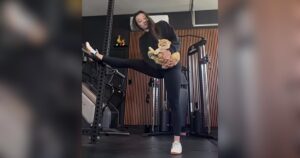
A physical therapist has found an unconventional tool for improving hip mobility: her cat. The licensed clinician incorporates her feline companion into stretching and mobility exercises, using the cat's weight and positioning to create gentle resistance during hip-focused movements.
The approach leverages the cat's natural body weight to add load to targeted stretches without the impact of traditional gym equipment. As the cat settles across the therapist's hips or legs during specific poses, it provides subtle resistance that helps activate stabilizer muscles and increase range of motion in the hip joint. This method aligns with principles of functional movement, where everyday objects and living beings replace conventional weights.
The technique offers several practical benefits for people seeking mobility improvements. Cats' unpredictable movements and shifting weight create dynamic resistance rather than static weight, which can challenge muscles in varied ways. The added psychological benefit of working with a pet reduces exercise-related stress and increases enjoyment during rehabilitation routines.
Physical therapists typically prescribe hip mobility work to clients recovering from injury, managing arthritis, or improving athletic performance. Traditional options include resistance bands, foam rollers, and weighted exercises. This cat-based method adds a novel dimension by combining light resistance with the therapeutic effects of human-animal interaction.
The trend reflects a broader movement toward accessible, home-based rehabilitation. Pet owners can modify their own exercise routines using their cats as lightweight resistance tools during stretching sessions. However, this approach works best with cats comfortable being held or positioned on the body during exercise. Cats displaying stress or discomfort should never be forced into such activities.
For pet owners interested in incorporating their cats into mobility work, consulting a certified physical therapist ensures proper form and prevents injury to both human and animal. This creative fusion of rehabilitation science and pet companionship demonstrates how cats contribute to human wellness beyond traditional emotional support.