# Early Warning Signs Of Canine Cancer in Dogs
Cancer strikes dogs with alarming frequency, and catching it early saves lives. Veterinarians stress that dog owners must watch for warning signs between annual wellness exams, since tumors can develop and spread rapidly in those months.
Dogs develop many of the same cancers humans do, including lymphoma, hemangiosarcoma, and osteosarcoma. Spotting symptoms early dramatically improves treatment outcomes and survival rates.
Veterinarians identify ten key warning signs that demand immediate attention. Lumps or bumps on the skin, especially those that grow or change appearance, warrant veterinary evaluation. Unexplained weight loss signals internal problems. Changes in eating or drinking habits often precede diagnosis. Persistent coughing, limping, or lameness may indicate bone or lung involvement.
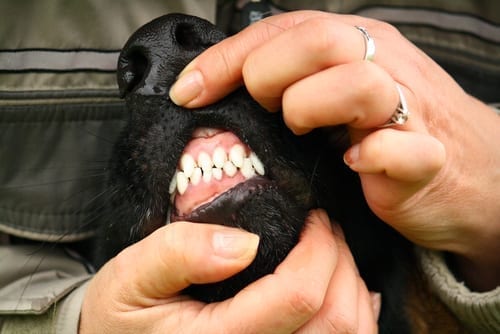
Abnormal discharge from the nose, mouth, or genital area requires prompt assessment. Difficulty urinating or defecating can point to abdominal tumors. Lethargy and reluctance to exercise differ from normal aging and deserve investigation. Bad breath sometimes reflects oral tumors. Swelling in the abdomen or extremities raises cancer concerns.
Dog owners should never dismiss these signs as simple aging. While older dogs develop cancer more frequently, younger animals are not immune. Certain breeds carry higher genetic predisposition to specific cancers. Golden retrievers and boxers face elevated lymphoma risk. Large breed dogs develop bone cancers more often.
Regular veterinary visits remain the cornerstone of early detection, but owners play the critical role between appointments. Petting your dog daily allows you to feel for unusual lumps. Observing eating, drinking, and activity patterns helps catch subtle changes. Any concern warrants a veterinary visit rather than waiting for the next scheduled exam.
Early detection transforms cancer from a death sentence into a manageable condition.