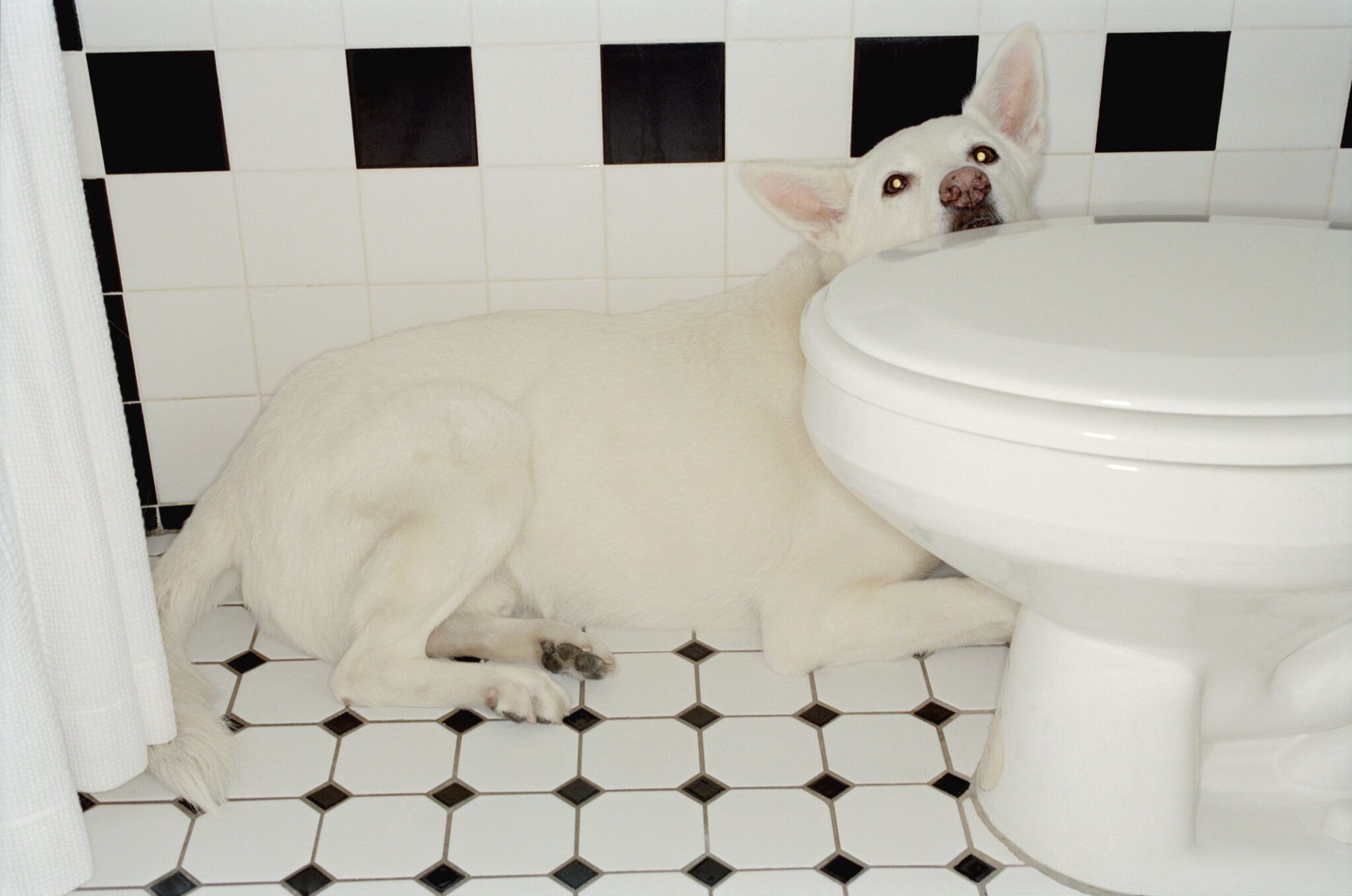
Dogs experience genuine fear during thunderstorms, and multiple factors trigger this common behavioral response. Thunder phobia affects many canines, causing them to hide, tremble, or seek comfort from their owners when storms approach.
The fear stems from several sources. Dogs hear frequencies humans cannot detect, making thunder sound far louder and more threatening to their sensitive ears. Barometric pressure drops before storms arrive, and some dogs sense these changes before rain begins. The combination of noise, air pressure shifts, and sometimes lightning creates an overwhelming sensory experience for anxious dogs.
Individual dogs respond differently to storms. Some breeds show predisposition to noise sensitivity, though any dog can develop thunder phobia. Age, prior experiences, and personality all play roles in how severely a dog reacts. A dog startled by thunder once may develop lasting anxiety around storms.
Pet owners can help their anxious dogs in several ways. Creating a safe space, like a bathroom or interior room away from windows, gives dogs a retreat during storms. Staying calm yourself matters, as dogs pick up on owner anxiety and stress. Distraction through play or treats helps some dogs. Others benefit from anxiety wraps designed to apply gentle, constant pressure similar to swaddling.
More severe cases respond to training with certified animal behaviorists or veterinary intervention. Anti-anxiety medications prescribed by a veterinarian can reduce panic during storms. Some vets recommend desensitization training, where dogs gradually acclimate to recorded thunder sounds at low volumes over time.
Whole Dog Journal offers detailed guidance on managing thunder phobia in dogs. Their expert resources explore both behavioral and medical approaches to help owners support their fearful companions. Understanding that thunder phobia represents genuine distress, not misbehavior, helps owners respond with patience and appropriate solutions. Consultation with your veterinarian ensures you choose the best approach for your individual dog's needs and anxiety level.
CATEGORY