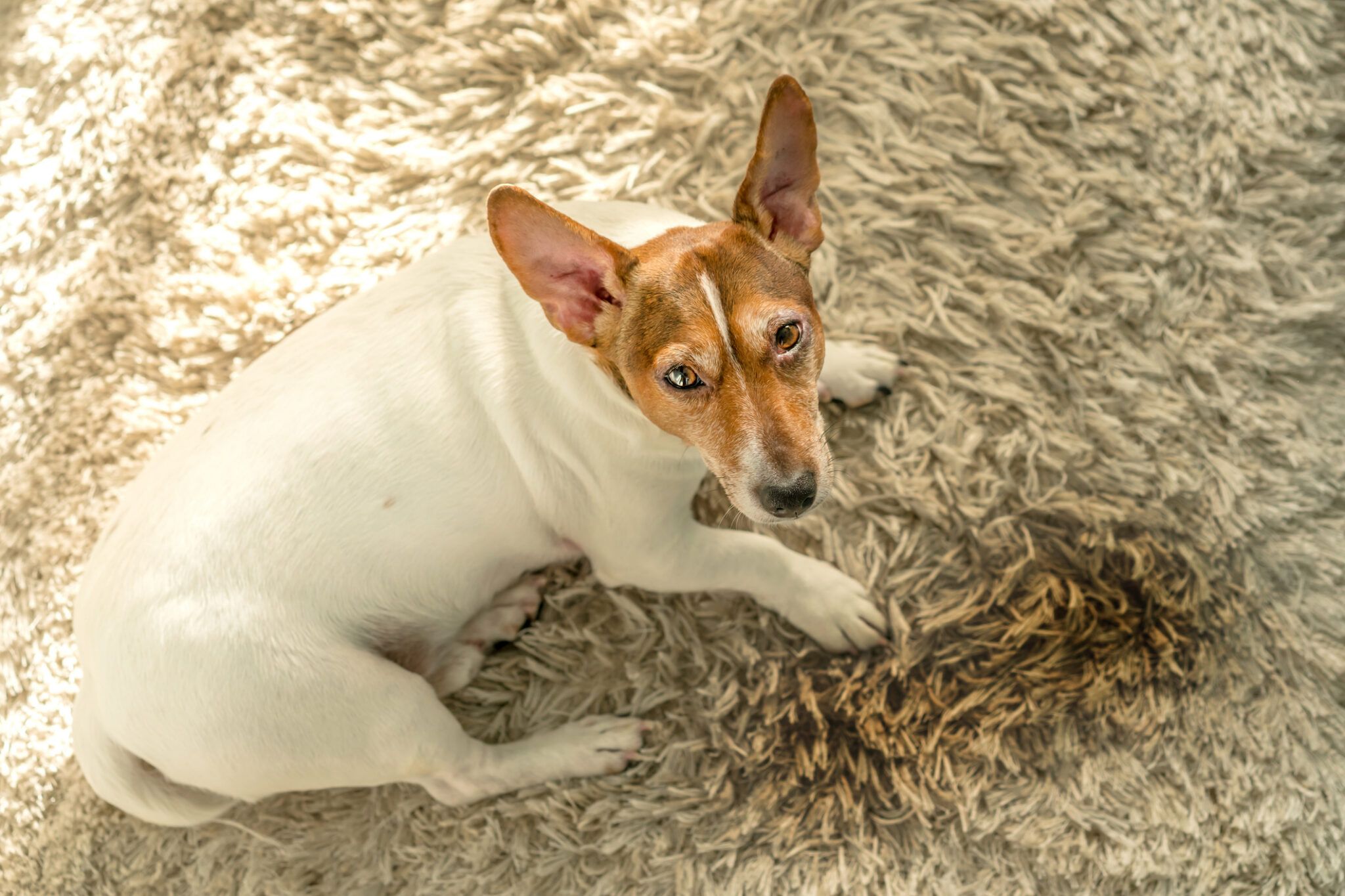
Dog accidents happen to every pet owner, whether you're house-training a puppy, managing a senior dog's mobility issues, or treating a bout of digestive upset. Finding feces on your carpet creates an unpleasant cleanup challenge that goes beyond simple spot removal.
The approach depends on how fresh the accident is and what cleaning supplies you have available. For fresh accidents, remove solid waste first using paper towels or a plastic bag. Blot the area rather than rubbing, which can push waste deeper into carpet fibers. Once you've removed the bulk of the mess, spray the affected area with an enzymatic cleaner specifically formulated to break down organic matter.
Enzymatic cleaners work by using natural enzymes to digest proteins and bacteria in feces, eliminating odors at the source rather than masking them. Products containing protease and amylase enzymes prove most effective on dog waste. Allow the cleaner to sit for the time recommended on the product label, typically 10 to 15 minutes, before blotting again with clean towels.
For set-in stains, mix equal parts white vinegar and water, apply to the stain, and let it sit for several hours before blotting. Follow with an enzymatic cleaner for best results. Some pet owners prefer commercial carpet cleaning services with equipment designed for deep cleaning, especially if multiple accidents have occurred.
Prevention remains your strongest tool. Consistent house-training routines, frequent outdoor bathroom breaks, and addressing digestive issues with your veterinarian reduce accident frequency. Senior dogs experiencing incontinence may benefit from washable pee pads placed strategically in their favorite areas.
Odor elimination matters more than most owners realize. Dogs can smell residual scent from previous accidents, which actually encourages them to use the same spot repeatedly. Thorough enzymatic cleaning breaks this cycle. If your dog keeps