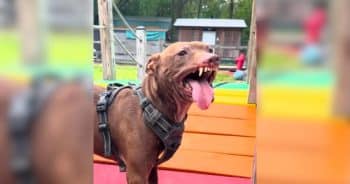
A scarred dog that appeared aggressive to most people was actually displaying a permanent smile, not a growl. The dog's facial scars created the illusion of a menacing expression, causing people to misinterpret the animal's true temperament and emotional state.
This case highlights how physical appearance can mask a dog's actual behavior and personality. Scars, whether from past injuries, accidents, or neglect, reshape the facial muscles and skin around a dog's mouth and muzzle. When scar tissue pulls at these areas, it can create expressions that look angry or threatening to human observers, even when the dog feels calm or friendly.
Dogs with visible scarring often face discrimination and fear from the public. Many are overlooked in shelters or rescued situations because potential adopters mistake their appearance for aggression. This misreading can delay or prevent adoptions and cause stress for the animal, who may receive unnecessary caution or rejection based solely on how their face looks.
Understanding canine body language helps pet owners and shelter staff see past misleading facial features. A genuinely aggressive dog displays specific warning signs: stiff posture, pinned-back ears, raised hackles, and a tense jaw. A friendly or neutral dog shows relaxed muscles, soft eyes, and loose body position, regardless of scarring.
Veterinarians and dog behaviorists emphasize that permanent facial expressions from scarring should never be used as the sole indicator of a dog's temperament. Each dog deserves individual assessment based on actual behavior, not wounded appearances.
This dog's story serves as a reminder that rescue animals with visible scars often make wonderful pets. Their past trauma does not define their capacity for love or their suitability as family companions. Adoption advocates encourage people to look beyond surface appearances and give scarred dogs the chance they deserve.