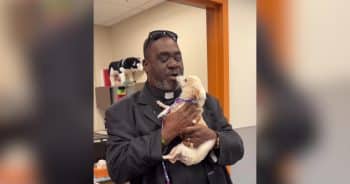
A dog separated from its owner during fireworks found its way home thanks to a microchip. The dog fled in panic when fireworks startled it, leaving the owner desperate to locate their pet.
When animal control officers picked up the frightened dog, they scanned it at a shelter and discovered the microchip. The chip contained the owner's contact information, allowing staff to reunite the pair quickly.
This reunion highlights why veterinarians recommend microchipping every dog. The tiny implant, about the size of a grain of rice, sits beneath the skin and stores identification data. When shelters and veterinary clinics scan lost dogs, the microchip reveals the owner's name and phone number instantly.
Microchips remain effective throughout a dog's lifetime. Unlike collars or tags that can fall off or fade, the implant stays in place permanently. The procedure takes seconds and causes minimal discomfort for dogs.
Pet owners who get their dogs microchipped should register the chip with the manufacturer and keep their contact information current. Many people implant microchips but fail to register them or update their details after moving. Without updated information, shelters cannot reach owners even when they have the chip.
Fireworks season brings a spike in lost dogs. The loud noises frighten pets and trigger their flight instinct. Dogs bolt through open doors, break free from leashes, and dig under fences in their panic. Some dogs travel miles from home and become completely disoriented.
Owners can reduce fireworks-related escapes by keeping dogs indoors during celebrations, securing yards, and ensuring gates lock properly. Keeping current ID tags on collars provides a backup to microchipping.
This dog's story serves as a reminder that microchipping saves lives. The small investment in the procedure and registration protects dogs if they wander or run away. Veterinarians stress that micro