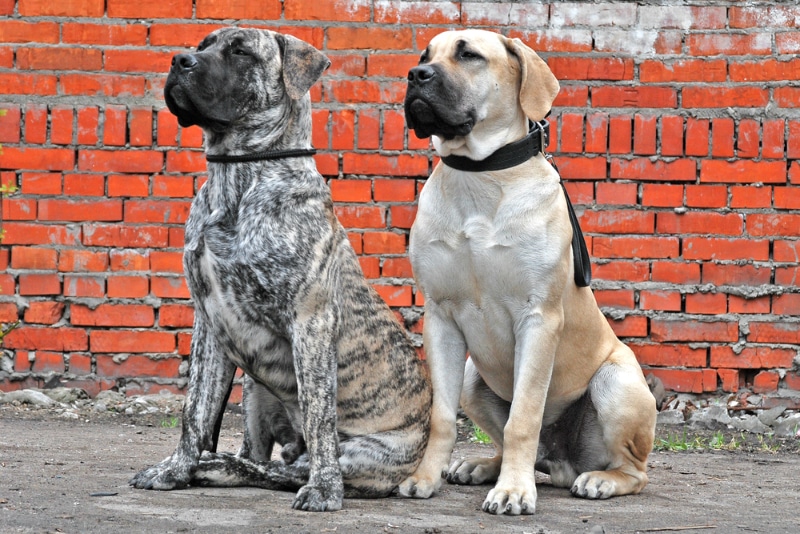
The Boerboel, a large and powerful South African mastiff breed, requires early and consistent training to develop into a well-behaved family companion. This muscular breed naturally displays a calm temperament, but without proper guidance from puppyhood, their size and strength can make them difficult to manage.
Veterinarians emphasize that socialization and training should begin as early as possible. Early exposure helps Boerboels develop confidence and appropriate behavior around people, other dogs, and new environments. The breed's natural protective instincts mean that structured training prevents overguarding or aggressive tendencies from emerging.
Boerboels respond well to positive reinforcement methods. Reward-based training, using treats and praise, works better than harsh corrections with these intelligent dogs. Consistency matters more than intensity. Short, regular training sessions prove more effective than occasional lengthy ones, as Boerboels learn best through repetition and routine.
Experienced trainers recommend establishing clear boundaries early. Boerboels are pack animals that respect leadership. They need to understand house rules, leash manners, and appropriate play behavior before reaching full adult size, typically between 110 and 200 pounds depending on gender.
Professional training classes offer valuable benefits. Working with certified trainers helps owners learn proper handling techniques and teaches dogs to respond reliably to commands. Group classes also provide controlled socialization opportunities.
Exercise requirements significantly impact training success. Boerboels need daily physical activity and mental stimulation. A tired dog focuses better during training sessions and exhibits fewer behavioral problems. Without adequate exercise, even well-trained Boerboels can become restless or destructive.
Common training priorities include loose-leash walking, recall commands, and impulse control around other dogs. Many owners also work on reducing jumping and teaching appropriate greeting behavior, since the breed's size makes enthusiastic greetings potentially overwhelming.