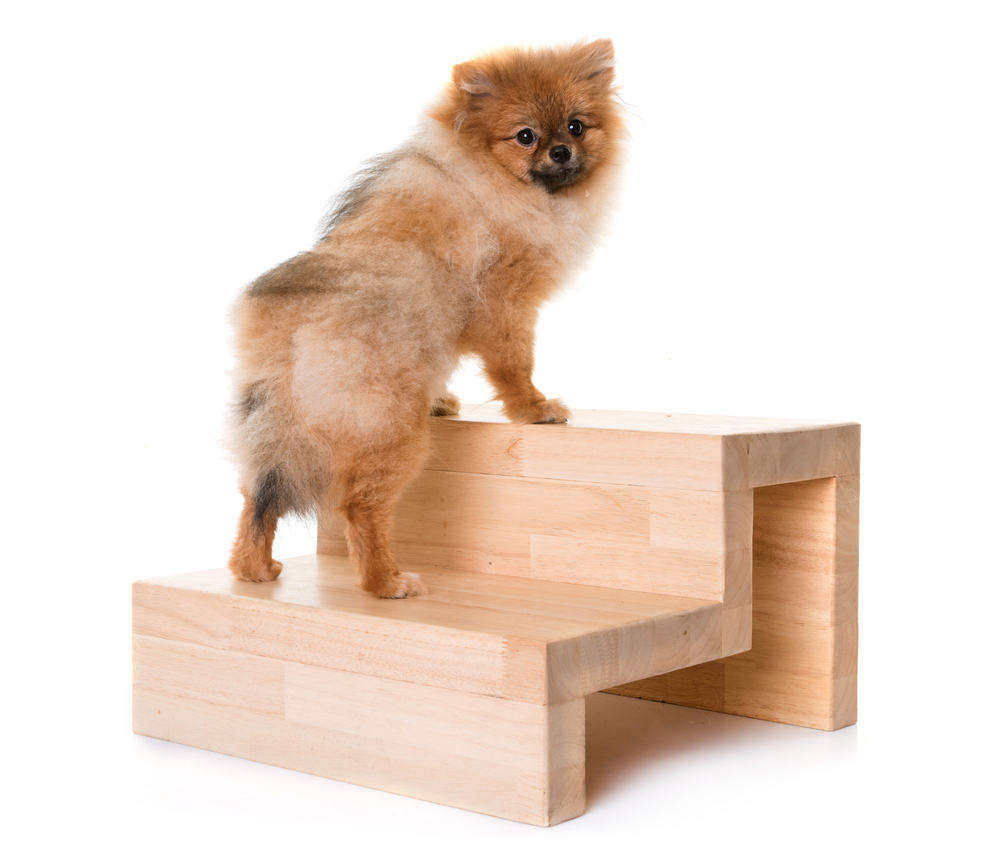
Small dogs and senior canines with arthritis or mobility issues struggle to jump onto furniture and navigate stairs. Dog stairs solve this problem by reducing physical strain and preventing injury.
Veterinarians recommend dog stairs for breeds prone to back problems, including Dachshunds, Corgis, and Basset Hounds. These stairs also help aging dogs with arthritis stay active and independent without joint stress. Dogs weighing under 25 pounds benefit most from this intervention.
Dog stairs serve multiple purposes around the home. Placing them beside beds allows small dogs safe access without risky jumping. Stairs positioned near couches let pets climb up for bonding time. Some owners position stairs near windows so indoor dogs can look outside without straining.
DIY options range from simple to elaborate. Wooden ramp-style stairs work well for dogs with severe mobility issues. Stacked cushions or foam blocks create affordable alternatives, though they require reinforcement for stability. Carpeted wooden frames offer better grip than smooth surfaces and prevent slipping. PVC pipe structures provide lightweight, washable options. Repurposed storage cubes with plywood steps cost less than commercial products while matching home decor. Concrete cinder blocks stacked in descending heights create simple, durable stairs.
When building DIY dog stairs, prioritize safety. Each step should be 6 to 8 inches high and 10 to 12 inches deep for comfortable paw placement. Use non-slip surfaces like carpet, rubber, or adhesive grip tape. Ensure the structure supports at least twice your dog's weight. Test stability before allowing your pet on new stairs.
Monitor your dog during the adjustment period. Some older dogs need time learning to use stairs. Practice sessions with treats and positive reinforcement speed up adaptation. Watch for reluctance, which may indicate pain requiring veterinary attention.
Dog stairs prevent spinal