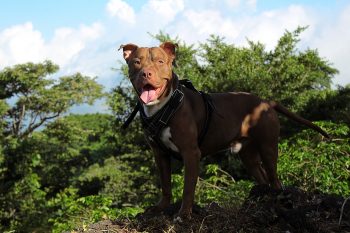
A pit bull refusing food signals something requires attention. Loss of appetite in dogs never happens without reason, and pit bulls specifically can develop serious health conditions that suppress their hunger drive.
Dental disease tops the list of preventable causes. Pit bulls prone to tartar buildup and gum infections experience pain while eating. Your vet can examine the teeth and gums during a routine checkup and recommend professional cleaning if needed.
Gastrointestinal issues affect pit bulls frequently. Upset stomachs, inflammatory bowel disease, or parasites all reduce appetite. Pit bulls may also develop blockages from swallowing objects, which requires emergency veterinary care. Vomiting or diarrhea accompanying the refusal to eat points toward digestive problems.
Infections and fever make dogs lose interest in food temporarily. Ear infections, urinary tract infections, and respiratory infections all suppress appetite in pit bulls as their body fights illness. A vet visit confirms whether infection exists and what treatment works best.
Stress and anxiety impact eating habits too. Recent moves, new pets, or schedule changes upset sensitive pit bulls. Some refuse food during anxious periods but eat normally once they adjust.
Medication side effects sometimes reduce appetite. Recently started antibiotics or other drugs might make your pit bull nauseous or uninterested in meals.
Food changes warrant investigation as well. Switching brands or flavors abruptly can turn pit bulls away from their bowl, though most adapt within days.
Contact your veterinarian immediately if your pit bull refuses food for more than 24 hours, especially if accompanied by lethargy, vomiting, or diarrhea. Blood work helps identify infections, organ problems, or other medical issues. Your vet examines the mouth, palpates the abdomen, and reviews your pit bull's complete medical history. Early diagnosis prevents minor issues from becoming serious complications.