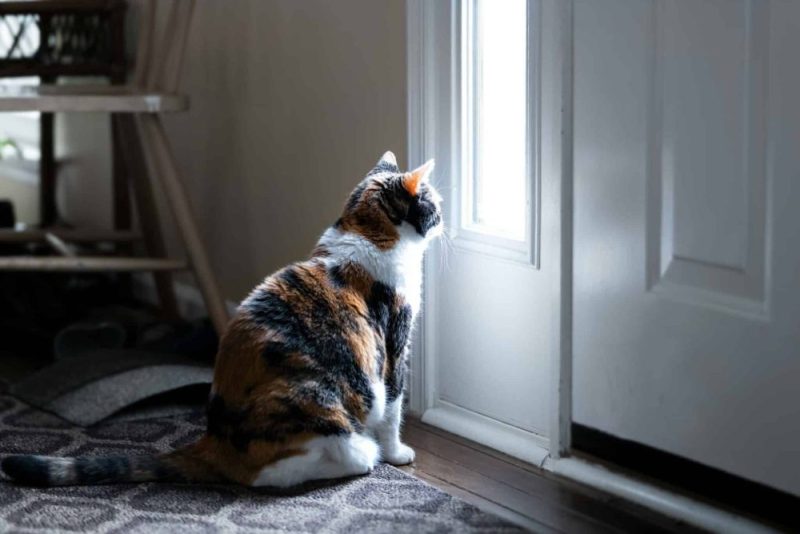
Cats frequently position themselves by doors without actually stepping through them, a behavior that puzzles many pet owners. This peculiar habit stems from several feline instincts and environmental factors.
Cats are naturally territorial animals. Doorways represent boundaries in their home environment. By sitting at the threshold, cats monitor activity on both sides without committing to either space. They gather sensory information about what lies beyond while remaining in their safe zone. This behavior serves a surveillance function, allowing them to track household activity and external stimuli simultaneously.
The threshold itself holds special significance for cats. Doors create distinct olfactory zones. Cats deposit scent markers near entrances, and sitting by the door lets them experience new smells arriving from outside. This sensory engagement satisfies their curiosity without requiring them to venture into unfamiliar territory.
Many cats also experience a psychological phenomenon called "door ambivalence." They want to explore the outside world but fear the unknown beyond the threshold. Sitting at the door represents a compromise between their wandering instinct and their preference for familiar, controlled spaces. The cat gets the best of both worlds: access to interesting stimuli without actual risk.
Weather and comfort also play roles. During mild temperatures, the door area offers appealing air circulation and light without requiring the cat to go outside. Cats often choose doorways as observation posts because these locations provide natural vantage points for watching people move through the house.
Some cats develop this behavior when they've experienced outdoor dangers previously. A cat that escaped accidentally or encountered a predator may sit by the door to satisfy their outdoor curiosity while maintaining the safety of indoors.
Indoor cats particularly exhibit this behavior. They've grown accustomed to the security of their homes, and doorways represent the furthest reach of their exploration before genuine fear sets in.
Understanding this behavior helps owners recognize it as normal feline psychology rather than a sign of