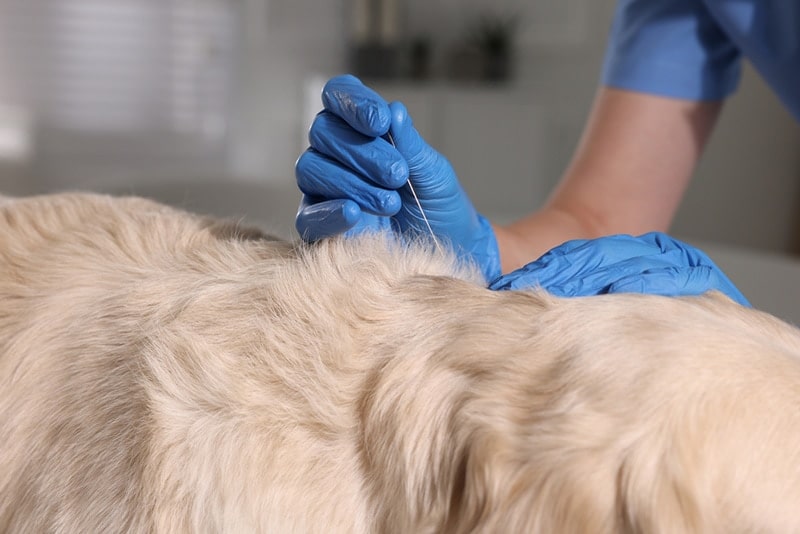
Veterinarians increasingly recommend acupuncture for dogs, incorporating the ancient Chinese practice into modern treatment protocols. The technique uses very fine needles inserted into the skin at specific trigger points to address pain and dysfunction.
Veterinary acupuncturists target these points to stimulate nerve endings and improve blood flow, which helps reduce inflammation. Dogs respond well to the treatment because the needles cause minimal discomfort. Most animals remain calm during sessions, and many show relaxation rather than stress.
Vets use canine acupuncture primarily for chronic pain conditions like arthritis, hip dysplasia, and degenerative joint disease. Dogs with intervertebral disc disease and post-surgical recovery often benefit from the treatment. Some veterinarians combine acupuncture with conventional therapies like physical therapy and medication for better outcomes.
The treatment works by stimulating the body's natural healing response. When needles reach specific acupuncture points, they trigger the release of endorphins and other pain-relieving chemicals. This process helps restore balance in the nervous system and improves circulation to damaged tissues.
Certification matters when choosing an acupuncturist for your dog. The International Veterinary Acupuncture Society (IVAS) provides rigorous training and credentialing for veterinarians practicing this specialty. Look for vets who hold IVAS certification to ensure your dog receives treatment from a qualified practitioner.
Sessions typically last 20 to 30 minutes, and dogs usually need multiple treatments to see results. Many vets recommend a course of weekly sessions initially, followed by maintenance appointments. Response times vary by individual dog and condition severity.
Side effects remain rare when qualified veterinarians perform acupuncture. Some dogs experience temporary mild soreness at needle insertion sites. Occasionally, animals may feel briefly fatigued after treatment as their bodies respond to healing stim