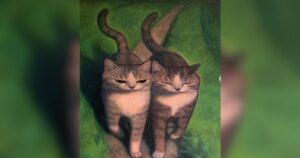
An artist has created a collection of paintings that celebrate cats with exaggerated charm and personality. The work captures feline quirks in an amplified style that resonates with cat lovers everywhere.
The paintings feature cats in various poses and moods, emphasizing the traits that make felines beloved companions. Oversized eyes, expressive whiskers, and dynamic body language dominate the compositions. The artist pushes proportions and emotions beyond realism, creating what the collection calls "120%" representations of cat behavior.
What makes these paintings effective is their accuracy in depicting actual cat personality. The work exaggerates not fantasy, but observable truth. Cats are dramatic creatures. They lounge with theatrical flair. They stare with intensity. They exhibit mood swings that shift from affection to indifference in seconds. These paintings simply amplify what cat owners witness daily.
The collection appeals to people who live with cats by validating their experience. The paintings confirm what any cat guardian knows: these animals possess outsized presence despite their modest size. A cat claiming the entire bed demonstrates territorial dominance worthy of artistic attention. A cat judging you from across the room deserves canvas treatment.
This style of cat art reflects a broader cultural shift. Cats have moved from functional rodent control to beloved family members worthy of celebration. Pet parents invest time, money, and emotional energy into their feline relationships. Art that honors this bond finds immediate audience.
The paintings work as both humor and genuine tribute. They're funny because they're exaggerated. They're touching because they're true. Cat owners see themselves and their own cats reflected in the work. Each brushstroke acknowledges the special relationship between human and cat.
For those seeking to celebrate their cat's personality, these paintings offer validation. They prove that the dramatic, opinionated, affectionate, aloof qualities that define cats deserve recognition. The "120%" approach