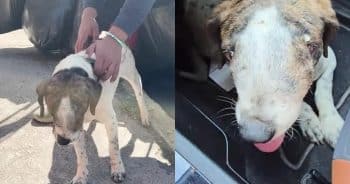
A street dog rescued from dire circumstances has survived cancer after veterinarians gave the animal just 24 hours to live. The dog received aggressive treatment that defied initial prognosis, offering hope to other animals facing similar diagnoses.
The unnamed dog arrived at a rescue facility in critical condition, with advanced cancer that prompted veterinarians to declare the case terminal. Rather than accept this outcome, rescue workers and veterinarians committed to aggressive intervention. The dog underwent chemotherapy and supportive care despite the bleak timeline.
The treatment strategy proved successful. The dog responded positively to cancer therapy, with tumors shrinking and overall health improving beyond what medical professionals anticipated. Today, the dog lives cancer-free and continues recovery at the rescue facility.
This case highlights several important truths about canine cancer treatment. Dogs respond to chemotherapy differently than humans, and veterinary oncology has advanced significantly in recent years. Age alone does not determine whether a dog should receive cancer treatment. Street dogs often arrive at rescues malnourished and stressed, which can mask their true physical reserves and healing potential.
The rescue organization behind this case emphasizes that the dog's survival depended on three factors: early aggressive treatment, quality veterinary care, and consistent supportive care throughout recovery. Many shelter animals never receive these resources due to cost and time constraints.
For pet owners facing similar diagnoses, this story demonstrates that initial prognosis does not always determine outcome. Consulting with a veterinary oncologist, rather than relying solely on general practitioners, can reveal treatment options that general veterinarians might not routinely pursue. Dogs often tolerate chemotherapy better than expected, with many experiencing minimal side effects.
The dog's recovery continues to inspire rescue workers and veterinarians involved in animal welfare. This case will likely be referenced in discussions about treating cancer in rescue animals and challenging assumptions about terminal diagnoses in dogs.