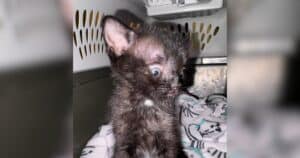
A young kitten has recovered from two brain surgeries after being diagnosed with a rare neurological condition, defying expectations and maintaining his playful personality throughout treatment.
The kitten underwent surgery twice to address the rare brain condition that threatened his life. Veterinary surgeons worked to remove the affected tissue and restore normal function. Despite the severity of the procedures and the risks involved in operating on such a small patient's brain, the kitten pulled through both operations.
Cats experiencing rare neurological conditions often face an uncertain prognosis. Brain surgery in felines carries significant risks, including infection, swelling, and permanent neurological damage. The kitten's successful recovery demonstrates both the advances in veterinary neurosurgery and his own resilience.
What stands out most is the kitten's post-operative behavior. Rather than becoming withdrawn or timid after such intense medical intervention, he retained his wild, playful spirit. The kitten bounced back to normal activity levels, engaging in typical kitten behavior like play and exploration.
This case highlights the importance of seeking specialized veterinary care when cats show signs of neurological problems. Symptoms that warrant immediate veterinary attention include seizures, loss of balance, unusual head positioning, or behavioral changes. Early diagnosis and intervention can make the difference between recovery and permanent disability.
The kitten's journey also underscores pet owners' commitment to their animals. Choosing surgery for a kitten with a rare condition requires financial resources and emotional stamina, as the outcome remains uncertain. The decision to proceed with treatment paid off in this case, giving the kitten a second chance at a normal feline life.
Pet owners with cats showing neurological symptoms should consult a veterinarian immediately. Veterinary neurologists can provide advanced diagnostic imaging and surgical options that may save a cat's life. The kitten's story proves that even rare conditions don't always mean a poor outcome.