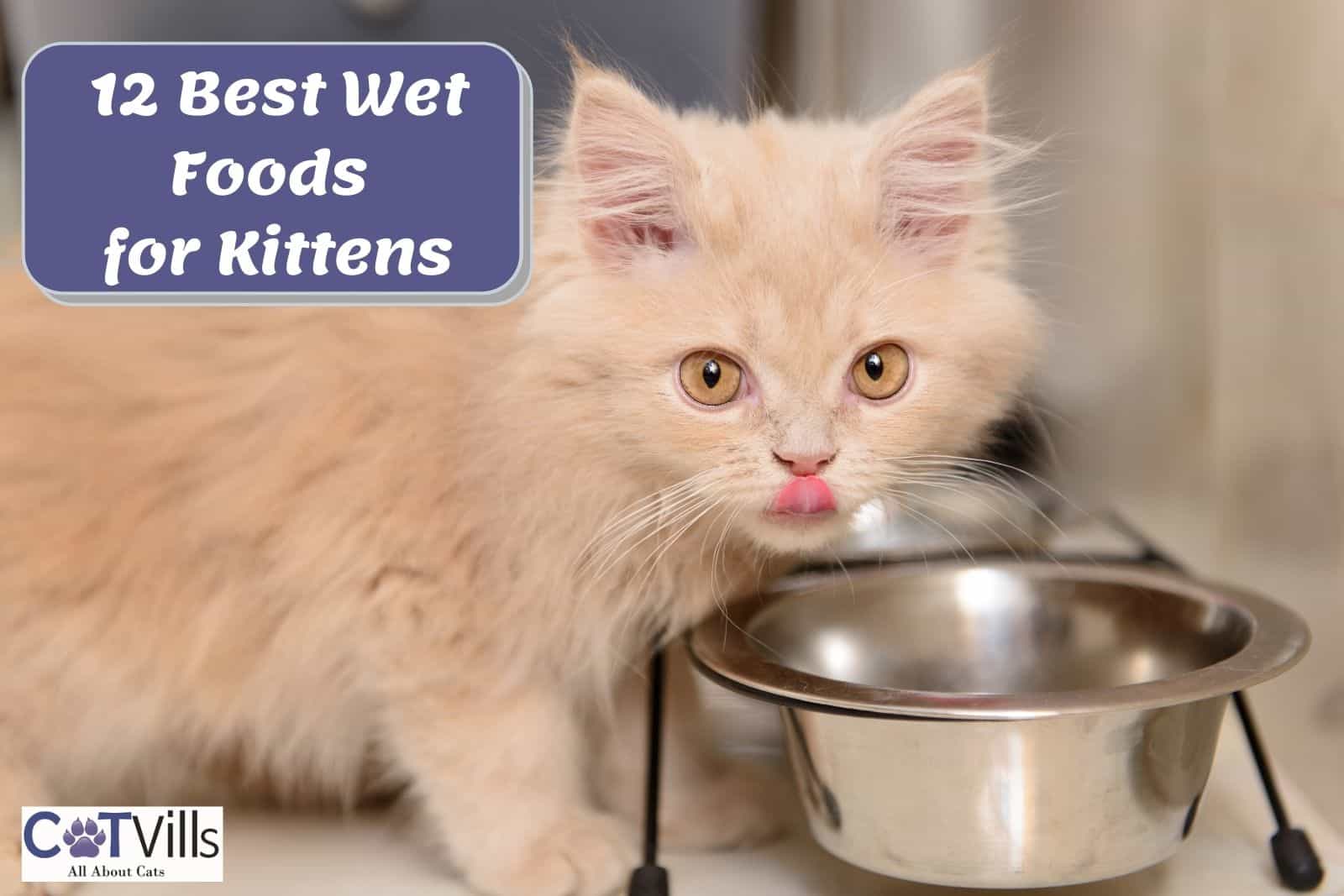
Kittens require specialized nutrition to support rapid growth and development during their first months of life. Wet food delivers essential hydration and nutrients that dry kibble alone cannot provide, making it a valuable part of a kitten's diet.
Quality wet food supports muscle growth, brain development, healthy digestion, and immune function. Kittens grow at an accelerated rate, and their nutritional needs differ significantly from adult cats. Wet food's high moisture content helps young cats stay hydrated, particularly important since kittens don't always drink enough water on their own.
The kitten food market presents real challenges for pet owners. Marketing terms like "natural" and "premium" appear on packaging without strict definitions, making it difficult to identify genuinely nutritious options. Pet parents benefit from reading ingredient lists carefully and looking for foods formulated specifically for kittens rather than all-life-stage formulas.
When selecting wet food for kittens, prioritize products with named protein sources (chicken, turkey, or fish) as primary ingredients. Quality formulas include essential amino acids like taurine, which kittens cannot produce independently and need for heart and eye health. Fat content supports brain development during this critical growth phase.
Introduce new foods gradually to prevent digestive upset. Most kittens thrive on two to three wet meals daily when combined with appropriate portions of quality dry food. Feeding schedules should adjust as kittens age, moving from frequent small meals toward adult feeding patterns by one year.
Consult your veterinarian when choosing kitten food, especially if your cat has specific health concerns or sensitivities. Your vet can recommend formulas matched to your kitten's individual needs and monitor growth patterns to confirm adequate nutrition.
Investing in appropriate wet food during kittenhood establishes healthy eating habits and supports long-term wellness as your cat matures into adulthood.