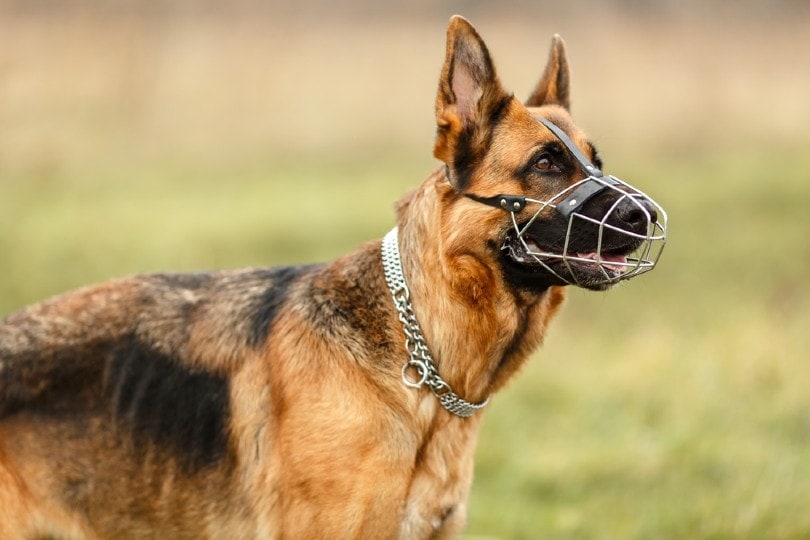
Finding the right dog muzzle matters for safety and comfort. A poorly fitted muzzle frustrates both owner and dog, making training harder and stressing your pet unnecessarily.
Dogster reviewed five top dog muzzles to help you navigate this essential safety tool. The publication tested options that address common problems dog owners face: muzzles that slip, don't stay secure, or cause discomfort during wear.
Muzzles serve multiple purposes. They protect other dogs and people during socialization, manage dogs with resource guarding issues, and prevent destructive chewing or eating of dangerous items. However, muzzle training requires patience and proper equipment. A muzzle that doesn't fit well undermines training efforts and can traumatize your dog, making future muzzle training even harder.
The right muzzle should allow your dog to pant, drink water, and take treats during training sessions. Basket muzzles typically offer more comfort than flat-faced designs for these reasons. They also let dogs breathe easily during exercise or warm weather.
Key factors in choosing a muzzle include proper sizing, material durability, and adjustability. An ill-fitting muzzle can cause rubbing and sores. One that's too loose won't stay on. Quality muzzles often feature padded straps and adjustable sizing to accommodate your dog's unique head shape.
Dogster's review process evaluated these muzzles across multiple criteria to identify options that actually work for real dogs and their owners. The publication recognizes that one size doesn't fit all dogs. A Great Dane needs different specifications than a Dachshund.
Proper muzzle training involves introducing the device gradually with positive reinforcement. Let your dog explore the muzzle, then reward them for wearing it for short periods before securing it. This slow introduction prevents fear and anxiety.
Whether you need