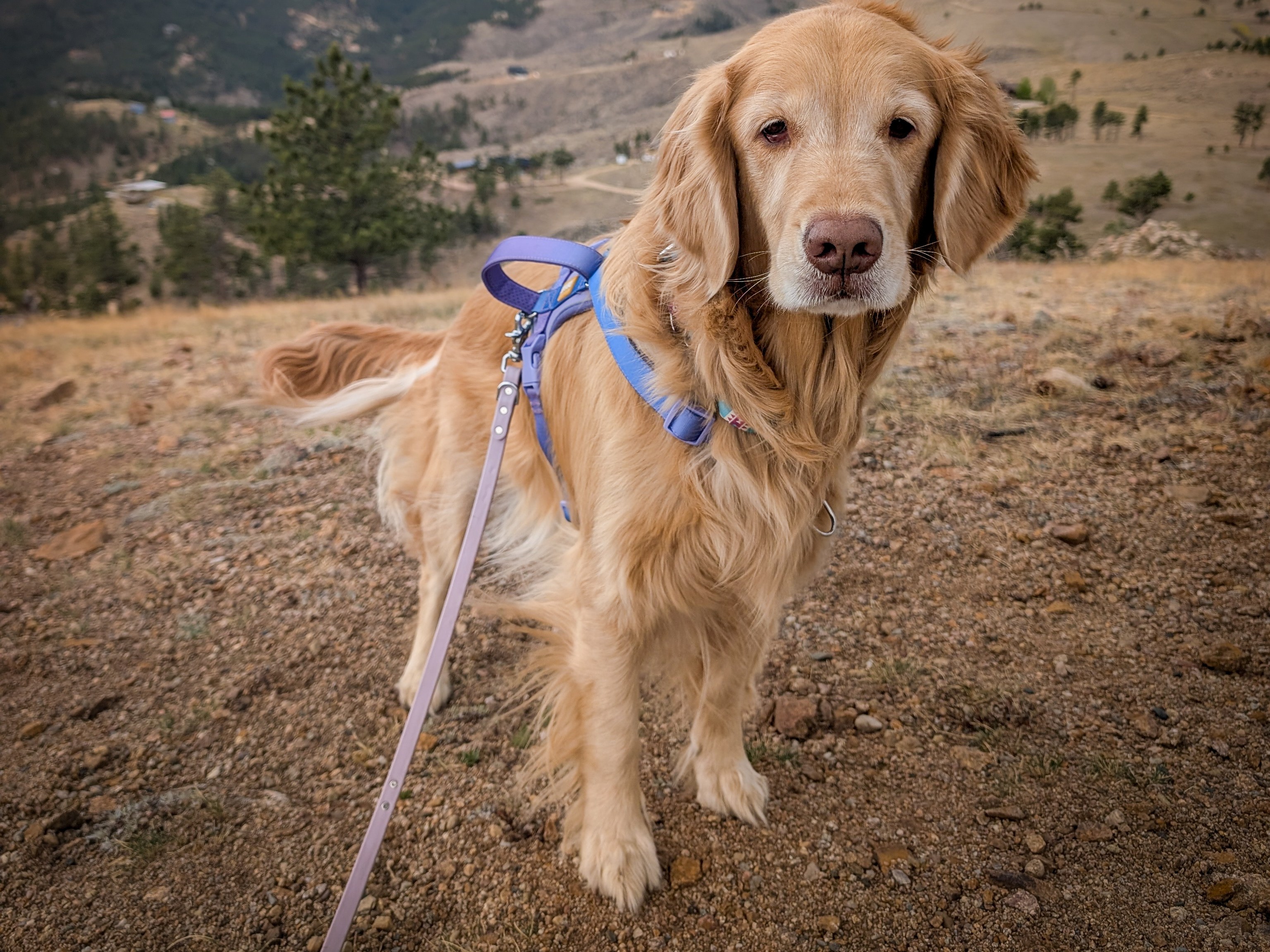
Senior dogs mask pain and discomfort through instinct, leaving their owners unaware of serious health changes. Veterinarian Carolina Domingues, DVM, analyzed health data from thousands of dogs through Maven Pet and identified seven overlooked warning signs that aging dogs display.
Dogs evolved to hide weakness from predators, so they rarely show obvious pain signals. Instead, senior dogs communicate problems through subtle behavioral shifts that owners often attribute to normal aging rather than medical concerns.
The seven quiet signs Domingues identified include changes in movement patterns, shifts in eating or drinking habits, alterations in sleep behavior, decreased interest in play, house soiling accidents, licking or chewing specific body areas, and reluctance to climb stairs or jump. Each signal can point to underlying conditions like arthritis, cognitive decline, kidney disease, or dental problems.
Pet parents frequently miss these warnings. A dog moving more slowly might simply seem "less energetic," when joint pain or muscle loss actually causes the difference. Similarly, a senior dog drinking more water could indicate diabetes or kidney disease, not just thirst from aging.
Domingues stresses that early detection through observation saves dogs from unnecessary suffering. Regular veterinary checkups become increasingly important for senior dogs, ideally every six months rather than annually. During these visits, vets can examine for pain responses, assess mobility, and run bloodwork to catch diseases before symptoms worsen.
Owners should keep detailed notes about their senior dog's daily activities, appetite, bathroom habits, and behavior changes. This information helps veterinarians identify patterns that might otherwise go unnoticed during a brief clinic visit.
The research from Maven Pet demonstrates that senior dogs still communicate their needs effectively. Their signals just require owner awareness and attention. By understanding these quiet signs of aging, pet parents can ensure their dogs receive appropriate treatment, pain management, and quality-of-life adjustments sooner rather than later.