# Six Legs Are Better Than Three
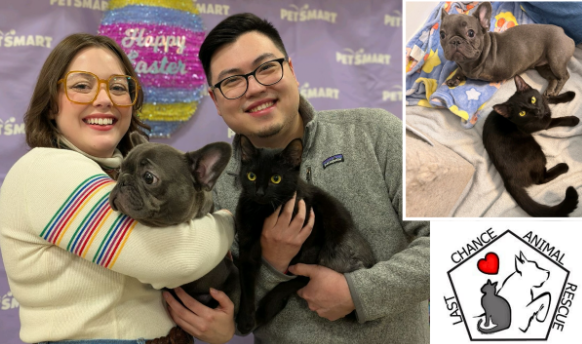
A three-legged dog and a kitten with mobility challenges have formed an unlikely bond while recovering from their respective injuries. The pair demonstrates how animals adapt to physical limitations and find companionship during rehabilitation.
The tripod dog, missing one of its four legs, relies on three limbs for mobility. Rather than limiting its quality of life, the dog has learned to move efficiently and maintain an active lifestyle. Three-legged dogs often compensate quickly, distributing weight across their remaining limbs and developing strong muscles to support movement.
The kitten also faces mobility challenges but receives encouragement and motivation from its canine companion. Animals recovering from injury or amputation benefit from social interaction and play, which promote physical therapy naturally. The pair's friendship provides emotional support during what can be a difficult adjustment period for pets and their owners.
Stories like this highlight an important truth for pet owners. Animals with three legs or other physical disabilities can live full, happy lives. Many tripod pets eventually forget they were ever different, moving and playing with the same enthusiasm as four-legged animals. Physical limitations do not determine an animal's worth or its ability to experience joy.
The bond between these two pets shows that recovery happens faster with companionship. Both animals encourage each other through daily movement and play, which strengthens muscles and builds confidence. Their friendship offers perspective to owners facing difficult decisions about amputation or managing injured pets.
Veterinarians routinely support pet owners through these transitions, providing pain management, physical therapy guidance, and behavioral support. With proper care and positive social environments, tripod dogs and cats thrive in their homes and communities, often becoming ambassadors for animals with disabilities.