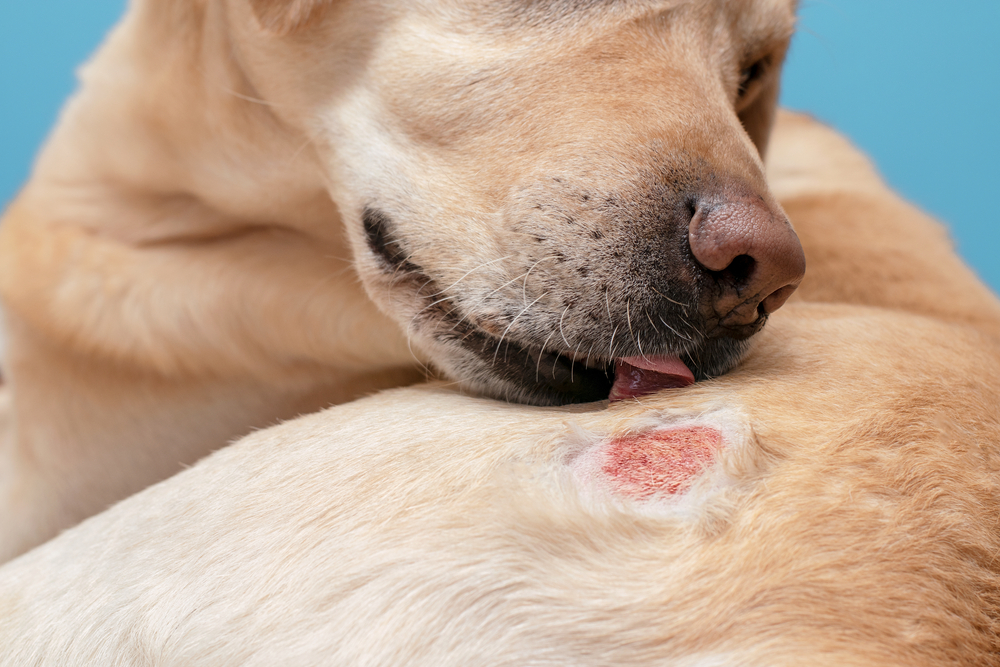
A dog in Florida contracted screwworm, marking the first confirmed case among domestic canines in the current U.S. outbreak. This parasitic infection has veterinarians and dog owners paying close attention, especially those planning trips to Mexico with their pets.
Screwworm flies lay eggs in open wounds, cuts, or even minor skin irritations on animals. The larvae then burrow into healthy tissue, causing severe damage and infection. These flies thrive in warm climates and are endemic to Mexico and parts of Central and South America. The parasites can infect dogs, cats, livestock, and wildlife.
The affected Florida dog likely contracted the infection during travel to or exposure from Mexico. Veterinarians now recommend extra precautions for pet owners traveling south of the border with their dogs.
Pet parents planning Mexican vacations should take preventive steps before departure. Keep dogs indoors or in screened areas when possible. Check your dog's skin daily for any cuts, wounds, or signs of parasitic infestation. Use flea and tick prevention consistently, as bites create entry points for screwworm flies. Consider consulting your veterinarian about additional protective measures before traveling.
Symptoms of screwworm infection include drainage from wounds, swelling, foul odor, and visible larvae in affected areas. If you notice these signs in your dog during or after travel, seek veterinary care immediately. Treatment involves removing larvae and applying antiparasitic medications under professional supervision.
This outbreak underscores the importance of understanding regional health threats when traveling with pets. Mexico's warm climate creates ideal conditions for screwworm reproduction. The Florida case demonstrates that infected animals can transport the parasites northward, putting other pets at risk.
Veterinarians emphasize that screwworm infections are preventable through awareness and precaution. Keep your dog's vaccinations current, maintain wound care protocols