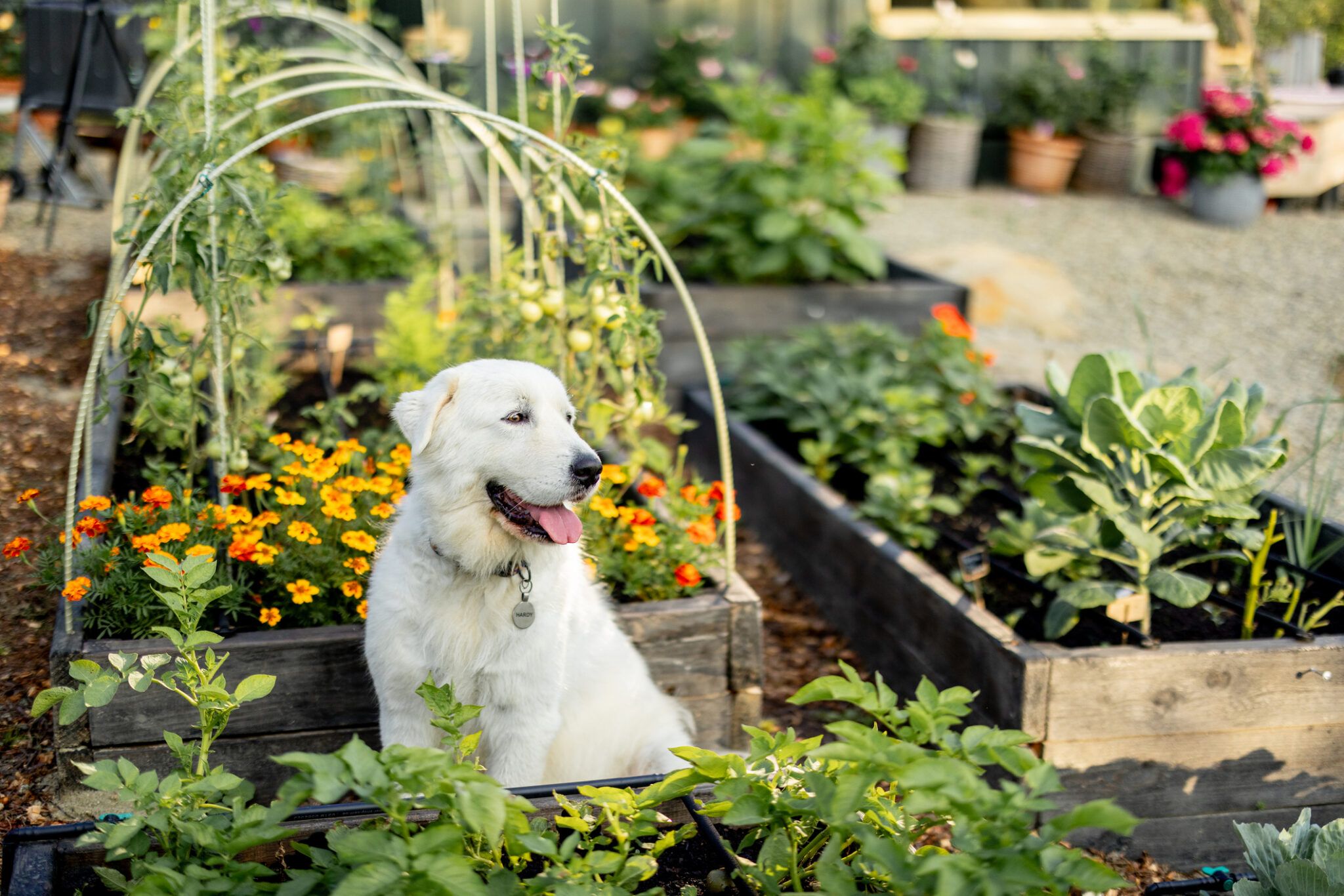
Dog feces should not be used as fertilizer for lawns or vegetable gardens, despite being organic material. Unlike cow and chicken manure, dog waste poses significant health risks that make composting it impractical for home gardeners.
Dogs are carnivores, and their digestive systems process meat differently than herbivores. This creates waste containing harmful pathogens including E. coli, salmonella, and parasitic eggs. These pathogens survive standard composting temperatures and timelines. Even properly composted dog manure can transmit diseases to humans through soil contact, particularly dangerous for families growing food crops or children playing on treated lawns.
Pet waste also contains higher concentrations of nitrogen than herbivore manure, which can burn grass and plant roots rather than nourish them. The acidic nature of dog urine compounds this problem, damaging lawn pH balance.
Commercial dog waste composting systems exist but require sustained temperatures of 165 degrees Fahrenheit or higher for 30 days minimum to kill pathogens effectively. Most home compost bins never reach these temperatures. The EPA explicitly advises against using dog waste in vegetable gardens due to food safety concerns.
Safe alternatives exist. Dedicated pet waste composting bins specifically engineered for dog feces can break down waste safely when used correctly, though the resulting compost suits only ornamental plants, never edibles. Many communities now offer pet waste disposal services or green bins accepting pet waste for industrial composting. Some dog owners use in-ground digestion systems designed specifically for pet waste that safely neutralize feces through enzymatic action.
If you compost kitchen scraps or yard waste, keep dog feces entirely separate. The most responsible approach remains bagging waste in compostable or standard trash bags for municipal disposal. This protects your family, your garden, and your community from preventable infections.