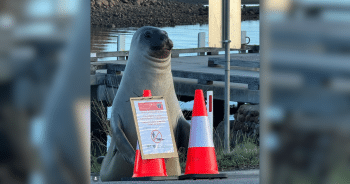
A seal named Neil has become an unlikely celebrity after repeatedly escaping from his coastal habitat and causing chaos in nearby neighborhoods. The marine mammal has crashed through residential fences, blocked local roads, and captured the hearts of residents who have followed his adventures.
Neil's escapades reveal the challenges wildlife managers face when marine animals venture into populated areas. Seals are naturally curious and powerful swimmers that can travel considerable distances inland, especially during breeding season or when searching for food sources. Their strength allows them to breach barriers that residents typically install to keep domestic animals contained.
Local authorities have worked to safely manage Neil's intrusions while protecting the animal from harm. Rather than harming the seal, responders have focused on humane containment and redirecting him back to appropriate marine environments. This approach reflects growing recognition that displaced wildlife requires compassionate handling.
Neil's story resonates with residents because it highlights the intersection of urban expansion and wildlife habitat. As human communities develop closer to coastal areas, encounters with seals and other marine mammals become more frequent. The seal's repeated returns suggest he may find something rewarding in the neighborhood, whether that involves food sources, shelter, or breeding opportunities.
Wildlife experts emphasize that residents should never attempt to feed, touch, or corner wild seals. These animals can bite and carry diseases transmissible to humans. Anyone encountering a seal should maintain distance and contact local wildlife authorities.
Neil's popularity demonstrates how communities can embrace wildlife challenges with humor and patience. Rather than viewing the seal as a nuisance, residents have welcomed the opportunity to learn about marine animal behavior and coexistence. His story serves as a reminder that wildlife often has nowhere else to go when their natural habitats shrink.