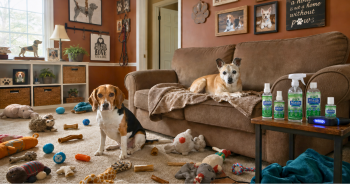
Dog owners know the reality. A house shared with a dog often develops a distinctive odor that air fresheners simply mask. The smell comes from multiple sources: your dog's skin, coat, bedding, accidents, and the oils dogs naturally shed. Addressing the root causes works better than perfuming over the problem.
Regular bathing matters most. Bathe your dog every four to six weeks using a quality dog shampoo. More frequent bathing can dry out skin and worsen odor issues. Between baths, dry shampoo formulas for dogs absorb oils and freshen the coat without water.
Your dog's bedding requires aggressive attention. Wash dog beds weekly in hot water with enzymatic detergent designed to break down organic compounds. Standard laundry detergent leaves residue that traps odors. The same goes for any blankets, cushions, or furniture your dog frequents.
Professional grooming every six to eight weeks eliminates odor-causing buildup. Groomers reach areas home baths miss and can address anal gland issues, which create particularly strong smells when impacted.
Oral health directly affects body odor. Dental disease produces foul-smelling breath that spreads throughout your home. Schedule annual dental cleanings with your veterinarian and brush your dog's teeth daily if possible.
Flooring and carpets trap odors deep. Vacuum thoroughly twice weekly. For carpets, enzyme-based cleaners break down organic matter where regular cleaners fail. Hard floors benefit from enzymatic mopping solutions.
Check your dog's diet. Low-quality foods produce more pungent waste and body odors. Higher-quality proteins break down more efficiently in digestion.
Address underlying health issues. Skin infections, yeast problems, anal gland disease, and ear infections all create strong odors. If your dog sm