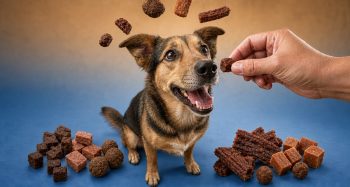
Soft dog treats offer pet owners a practical choice for training, rewarding, and bonding with their dogs. These treats work especially well for senior dogs with dental problems, puppies still developing their teeth, and dogs of all ages during training sessions when quick consumption matters.
The best soft treats prioritize quality ingredients and nutritional value. Look for products made with real meat as the primary ingredient rather than fillers or by-products. Treats containing chicken, beef, turkey, or fish provide protein that supports muscle health. Avoid options loaded with artificial colors, flavors, or preservatives that offer no nutritional benefit to your dog.
Soft treats come in various formats. Jerky-style options work for dogs who enjoy chewing without breaking teeth. Cheese-based treats appeal to many dogs and pair well with training rewards. Peanut butter treats satisfy dogs with a preference for rich flavors, though owners should always verify they contain no xylitol, which is toxic to dogs. Fruit and vegetable treats provide lighter options for weight-conscious dogs or those needing lower-calorie rewards.
Senior dogs benefit greatly from soft treats. As dogs age, their teeth weaken and chewing becomes uncomfortable. Soft options allow older dogs to enjoy treats without pain or difficulty. Similarly, puppies still losing baby teeth find soft treats more manageable than hard kibble or crunchy biscuits.
During training, soft treats shine because dogs can consume them quickly without prolonged chewing. This rapid consumption allows trainers to deliver immediate rewards, reinforcing good behavior more effectively than treats requiring extended eating time.
When selecting soft treats, check the ingredient list carefully. High-quality brands list named meat sources first and avoid excessive grain fillers. Consider your dog's specific needs. Dogs with food sensitivities need limited-ingredient options. Overweight dogs benefit from lower-calorie soft treats. Always introduce