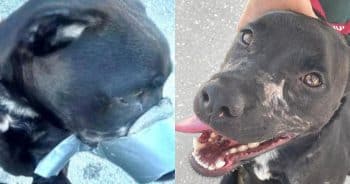
A dog named Cooper is recovering after rescue workers discovered him with duct tape wrapped tightly around his snout. The distressing find sparked an animal cruelty investigation and immediate veterinary intervention to address the physical and emotional trauma Cooper endured.
First responders located Cooper in a severely compromised condition. The duct tape had caused considerable damage to the sensitive skin around his muzzle and face. Veterinarians assessed injuries consistent with prolonged restraint, including abrasions, potential breathing difficulties, and signs of neglect.
Cooper received emergency care to remove the tape safely and treat his wounds. Veterinary staff examined him for internal injuries and infection risk. The dog required pain management and wound care protocols to promote healing. His treatment plan addressed both the visible trauma and potential complications from the restraint.
The incident prompted authorities to launch a full animal cruelty investigation. Law enforcement worked to determine how Cooper ended up in this condition and identify those responsible. Animal welfare organizations urged the public to report any suspected abuse immediately.
Cooper's recovery demonstrates both the resilience of dogs and the importance of swift intervention. Rescue networks mobilized quickly once he was reported, preventing further harm. The case highlights how duct tape and similar restraint methods cause serious injury to animals.
Veterinary behaviorists note that dogs experiencing trauma like Cooper's often show fear and trust issues during recovery. Rehabilitation involves careful handling, positive reinforcement, and gradual socialization. Many rescue organizations provide specialized foster care for abuse survivors.
Cooper's case renewed conversations about animal cruelty prevention in communities. Neighbors, shelter staff, and veterinarians play vital roles in identifying at-risk animals. Anyone witnessing similar abuse should contact local animal control or law enforcement immediately. Cooper's improving condition offers hope and underscores the value of compassionate emergency response to animal suffering.