Dogs possess olfactory abilities that far exceed human capability, detecting scents at concentrations up to 10,000 times lower than what people can perceive. Certain breeds excel at scent work due to selective breeding and anatomical advantages like larger nasal passages and increased olfactory receptor cells.
Bloodhounds rank among the most renowned scent trackers. These dogs have approximately 300 million olfactory receptors and wrinkled skin that traps scent particles, enabling them to follow trails days old. Their long, droopy ears sweep the ground, collecting additional scent information as they work.
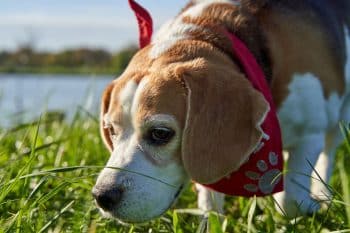
Beagles, originally bred as rabbit hunters, possess roughly 220 million olfactory receptors. Their compact size and tireless determination make them ideal for search and rescue operations and detection work in airports and border facilities.
German Shepherds combine intelligence with exceptional olfactory abilities, making them the standard choice for police and military detection work. Their versatility allows training for narcotics detection, explosives identification, and criminal tracking.
Other breeds with superior scenting abilities include Basset Hounds, which share the bloodhound's low-to-ground tracking advantage, and Pointer breeds, developed for bird hunting and now valued in detection roles.
Labrador Retrievers and Golden Retrievers excel at scent detection work despite being originally bred for retrieving game. Their eagerness to please and trainability complement their natural scenting gifts.
Coonhounds, Foxhounds, and Beagle mixes bring hunting heritage to modern detection roles. Dachshunds, though small, possess remarkable nose sensitivity developed for badger hunting.
Rhodesian Ridgebacks and Australian Cattle Dogs round out the list, demonstrating that scenting excellence extends across diverse breeding purposes.
Understanding your dog's breed strengths helps owners provide appropriate