# Weird Cat Behaviors That Actually Make Perfect Sense
Your cat's seemingly bizarre antics all serve real purposes rooted in feline biology and instinct.
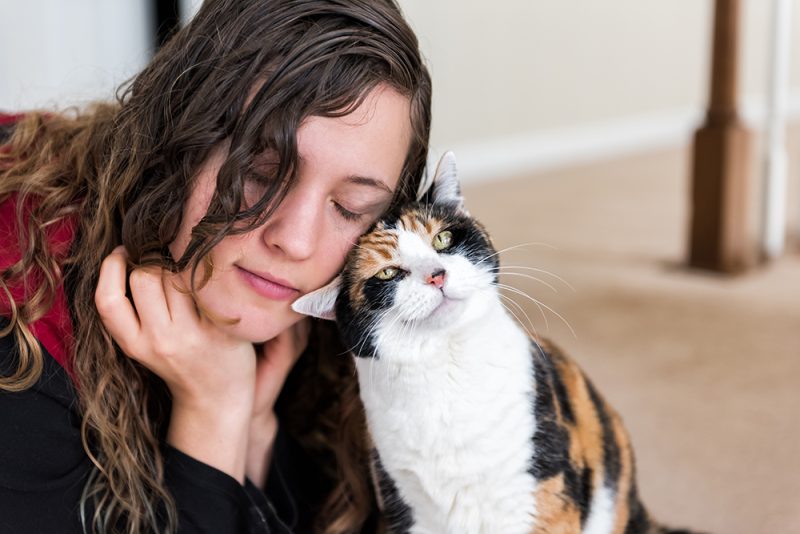
When your cat bunts their head against you, rubs their face on furniture, or marks objects with their cheeks, they are not being affectionate by accident. Cats have scent glands in their face, and bunting deposits pheromones that mark territory and create a sense of security. This behavior signals that you belong in their world.
The midnight zoomies, when cats suddenly sprint through your home at full speed, reflect their natural hunting rhythms. Cats evolved as crepuscular hunters, most active at dawn and dusk. Indoor cats retain these instincts, and sudden bursts of running and climbing help them burn energy and practice predatory skills.
Kneading, where cats push their paws alternately against soft surfaces, traces back to kittenhood. Young kittens knead their mother's belly to stimulate milk flow. Adult cats knead to self-soothe and show contentment, though the behavior retains its comforting root.
The slow blink represents genuine affection. When cats half-close their eyes and blink slowly at you, they are communicating trust. Returning this slow blink reinforces bonding.
Cats also knock items off tables deliberately. Rather than spiteful behavior, this tests gravity, explores object physics, and captures your attention. Cats are curious predators investigating their environment. Providing interactive toys and climbing structures redirects this investigative drive productively.
The chirping and chattering at birds through windows stems from predatory excitement. Your cat is not misbehaving but responding to prey drive instincts.
Understanding these behaviors helps you appreciate your cat's inner world. Their actions follow logical feline patterns shaped by thousands of