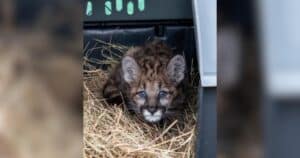
A Florida panther kitten named Peppercorn survived against the odds in the wild, demonstrating the resilience of one of North America's most endangered big cats.
Peppercorn, a young Florida panther, faced survival challenges that would have defeated many animals. The kitten's determination and fighting spirit became a symbol of hope for the species, which numbers fewer than 230 individuals in the wild today. Florida panthers inhabit the swamps and forests of southern Florida, where habitat loss, vehicle strikes, and disease threaten their existence.
The story of Peppercorn highlights the day-to-day struggles these endangered cats face. Wildlife officials and conservationists have worked tirelessly to protect Florida panther populations through habitat restoration, wildlife corridors, and genetic research. Every kitten that survives increases the chances of the species' long-term recovery.
Florida panthers, a subspecies of cougar, require large territories spanning hundreds of square miles. Young kittens depend entirely on their mothers for survival during their first year. Threats include collisions with vehicles on highways that cut through panther habitat, prey depletion, and parasitic infections like feline leukemia that spread through the population.
Peppercorn's survival serves as a reminder of the precarious balance these animals maintain. Conservation efforts by organizations working with the Florida Fish and Wildlife Conservation Commission have helped stabilize the population from near extinction in the 1970s, when only about 20 panthers remained.
The success of any individual animal, like Peppercorn, reflects the broader success of species recovery programs. Each panther kitten that reaches adulthood contributes genetic diversity and hunting capability back to the wild population. Public awareness and support for habitat protection remain essential for ensuring that future generations of Florida panthers, including young, determined animals like Peppercorn, can th