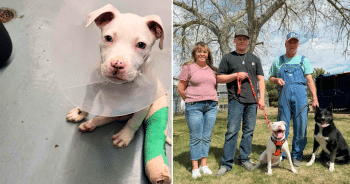
A dog named Dozer received life-changing help through the Hero VIP Club, a community-driven support network for pets in need. The organization rallied resources and volunteers to secure Dozer's adoption and ongoing care after he faced an uncertain future.
Dozer's story highlights how coordinated efforts among rescue groups, veterinarians, and animal advocates can transform outcomes for vulnerable dogs. The Hero VIP Club functioned as a hub connecting donors, medical professionals, and foster families who each played vital roles in stabilizing Dozer's situation.
The dog required medical attention and behavioral support before finding his permanent home. Rather than leaving Dozer's fate to chance, the Hero VIP Club mobilized its membership to cover veterinary costs, provide temporary housing, and prepare him for adoption. This approach goes beyond traditional shelter operations by treating rescue as a community responsibility.
The successful outcome demonstrates the power of organized giving networks in animal welfare. Supporters of the Hero VIP Club contributed funds, time, and expertise without being asked to solve the entire problem alone. Instead, each person handled a specific need within their capacity. One member might cover vaccination costs. Another provides foster care. A third helps with marketing to find the right adoptive family.
Such networks prove particularly valuable for dogs with complex needs. Dozer's case required coordination across multiple sectors of the animal welfare community. Veterinarians assessed his health. Behaviorists evaluated his temperament. Adoption counselors matched him with compatible owners.
The Hero VIP Club's success with Dozer offers a model for other communities facing local animal welfare challenges. Rather than relying solely on government shelters or single rescue organizations, communities can build interconnected systems where different stakeholders contribute according to their resources and skills.
Dozer's adoption represents not just one dog's happy ending but validation of a collaborative approach to solving animal welfare problems. His story may inspire other