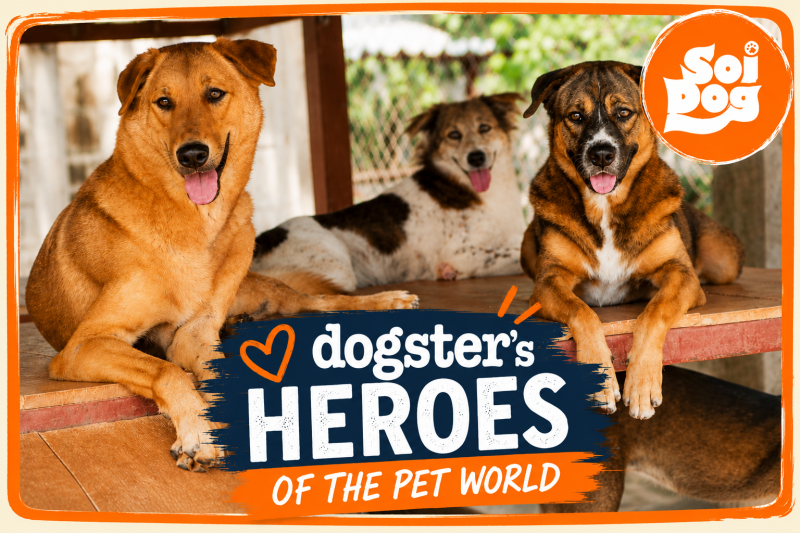
The Soi Dog Foundation has vaccinated and sterilized over 1.7 million dogs and cats, making it one of the world's largest animal welfare organizations. Based in Thailand, the nonprofit operates rescue centers, mobile clinics, and community programs across Southeast Asia to address the region's stray animal crisis.
The foundation's work centers on three core strategies. First, vaccination programs protect against rabies, a fatal disease that kills tens of thousands of people annually in Asia, particularly through contact with stray animals. Second, spaying and neutering initiatives reduce overpopulation in vulnerable communities where resources for animal care remain limited. Third, rescue operations remove dogs and cats from dangerous situations, including slaughter facilities.
Soi Dog Foundation operates multiple facilities in Thailand and neighboring countries. Their centers provide medical care, behavioral rehabilitation, and adoption services. Mobile clinics bring veterinary services to remote areas where access to vets is scarce. The organization works directly with communities, educating residents about animal welfare and responsible pet ownership.
The scale of their impact reflects the scope of the problem. Millions of stray dogs roam Southeast Asian streets, facing abuse, disease, and death. Uncontrolled breeding perpetuates this cycle. Vaccination and sterilization break that chain, reducing disease transmission while stabilizing populations naturally.
Funding comes from individual donors, grants, and corporate partnerships. The foundation maintains transparency about how donations support field operations, veterinary care, and facility maintenance. International supporters can sponsor individual animals or contribute to specific programs.
Pet owners in regions served by Soi Dog Foundation benefit directly. Reduced stray populations mean fewer disease vectors in communities. Rescued animals receive medical care before adoption, ensuring they're healthy and behaviorally suitable for homes.
The foundation continues expanding operations as demand grows. Their model demonstrates that large-scale, sustainable animal welfare work in resource-limited areas succeeds