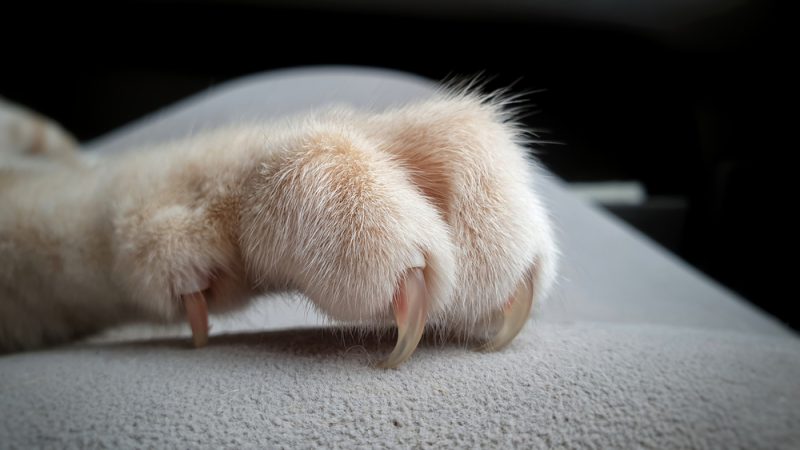
Canada has become the first North American nation to ban declawing in cats across the entire country. The procedure, known medically as onychectomy, removes the last bone of each toe along with the claw and is now prohibited nationwide.
Declawing ranks among the most controversial surgical procedures in veterinary medicine. Animal welfare organizations describe it as amputation rather than simple nail removal. Cats lose their primary defense mechanism and natural climbing ability. The surgery causes chronic pain, behavioral changes, and lameness that can persist throughout a cat's life.
Canadian veterinarians and animal advocates celebrated the ban as a watershed moment for feline welfare. The prohibition applies to all provinces and territories, making Canada the first North American nation to implement such a comprehensive restriction. Several U.S. states and cities have passed similar bans, but no state has achieved complete coverage.
Research consistently shows declawing causes long-term complications. Cats develop arthritis, nerve pain, and abnormal gait patterns. Behavioral issues including litter box avoidance and aggression frequently emerge after the procedure. The American Veterinary Medical Association opposes declawing except in rare cases where claw tumors or severe injuries demand removal.
Veterinarians in Canada now emphasize alternatives like regular nail trimming, scratching posts, nail caps, and environmental enrichment. These approaches address furniture damage without surgical intervention.
The ban reflects growing recognition that declawing prioritizes human convenience over feline health. Cat owners face furniture damage and scratching behavior as normal aspects of cat ownership. Training techniques and environmental modifications provide effective solutions without causing permanent harm.
Canadian pet owners must now work with their veterinarians to develop humane management strategies for scratching behavior. The ban represents a significant shift in how North American nations protect companion animal welfare and holds the potential to influence U.S. policy decisions in coming years.