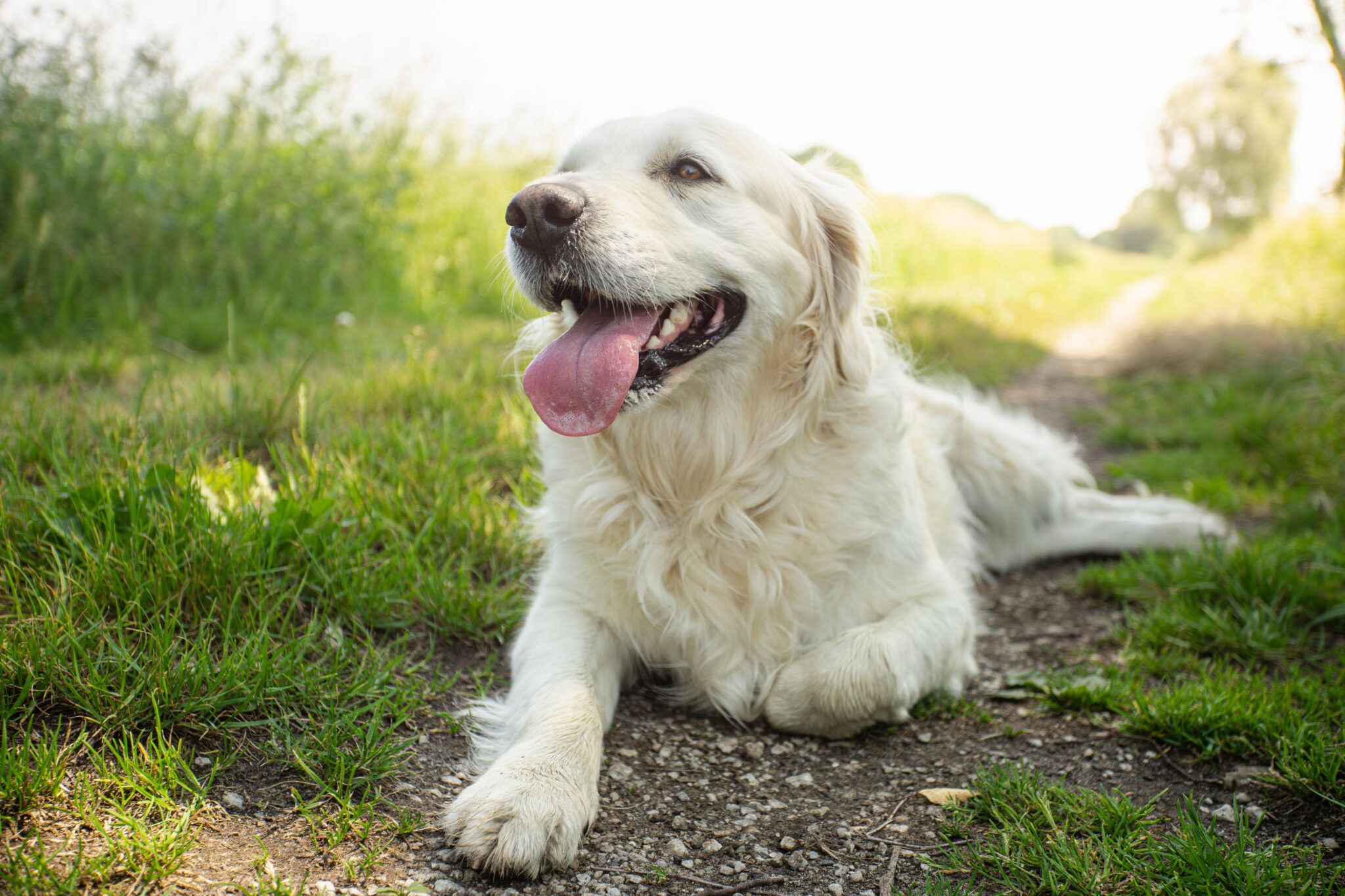
Dogs breathe faster when they exercise, get excited, or overheat. This normal panting helps them cool down and recover. But persistent rapid breathing that continues even after your dog rests can signal a medical problem requiring veterinary care.
Telling the difference matters. Normal panting has a regular rhythm and stops once your dog calms down or cools off. True hyperventilation looks different. Your dog's breathing stays rapid and shallow, often accompanied by anxiety, trembling, or pale gums. The dog may seem confused or weak.
Several conditions cause hyperventilation in dogs. Heat exhaustion tops the list, especially in flat-faced breeds like Bulldogs and Pugs that struggle to regulate body temperature. Anxiety and panic attacks trigger hyperventilation in some dogs, particularly during thunderstorms or fireworks. Heart disease, lung problems, pain, and fever also cause rapid breathing. Bloat, a life-threatening emergency in deep-chested dogs, presents with restlessness and labored breathing.
Act quickly if you suspect hyperventilation. Move your dog to a cool, quiet space away from stressors. Offer water in small amounts. Cool their paws and ears with a damp cloth if they seem overheated. Never force them into an icy bath, which can cause shock.
Contact your veterinarian immediately if rapid breathing continues for more than a few minutes, if your dog shows other symptoms like drooling or lethargy, or if they seem panicked and unresponsive. Bring them to an emergency clinic if breathing worsens or if you notice a distended abdomen, which signals possible bloat.
Your vet will check your dog's temperature, listen to their heart and lungs, and run bloodwork or imaging if needed. Early diagnosis helps prevent serious complications. Keep a record of when hyperventilation happens. Did it follow exercise