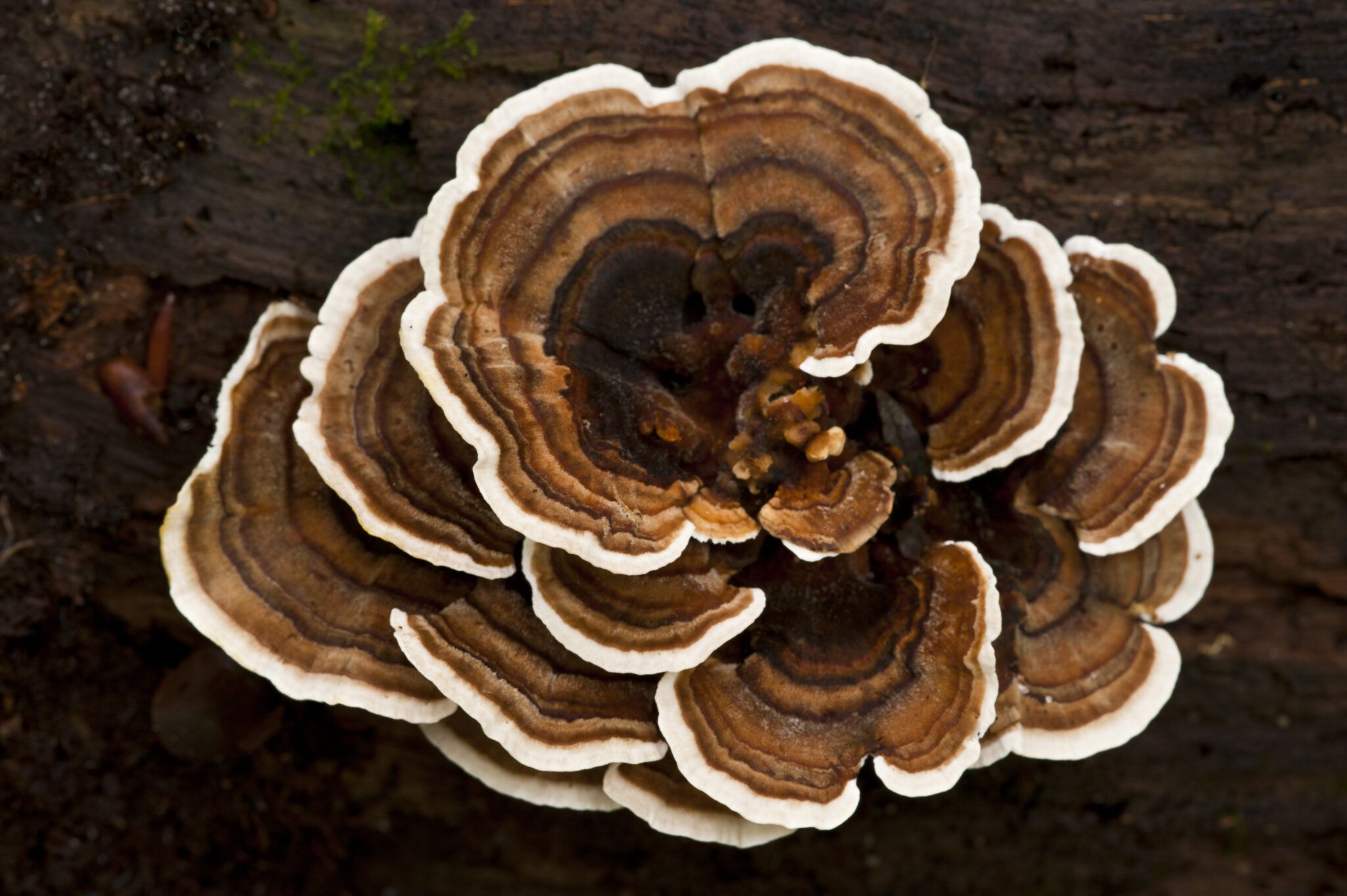
Turkey tail mushrooms contain bioactive compounds that researchers and veterinarians increasingly recommend for canine health. These fungi, which grow on decaying wood and resemble the fanned tail of a wild turkey, have captured attention in veterinary medicine for their immune-supporting properties.
The mushroom contains beta-glucans and polysaccharides, compounds that strengthen immune function in dogs. Studies show turkey tail can help dogs fight infections, reduce inflammation, and support overall wellness. Some veterinary oncologists recommend turkey tail as a complementary therapy alongside conventional cancer treatment in dogs, though pet owners should always consult their vet before starting any supplement.
Traditional Chinese medicine has used medicinal mushrooms for centuries to address kidney disease, boost immunity, and manage chronic inflammation. Modern veterinary research validates several of these applications. Turkey tail specifically shows promise for dogs with compromised immune systems and those recovering from illness.
Pet owners can offer turkey tail to their dogs through supplements, powders, or extracts formulated specifically for canines. The dosage depends on your dog's weight and health status, so veterinary guidance matters. Quality varies significantly among brands, so selecting products from reputable manufacturers ensures dogs receive effective, contamination-free supplements.
Before adding turkey tail mushrooms to your dog's routine, discuss it with your veterinarian, especially if your dog takes medications or has existing health conditions. Turkey tail supplements can interact with certain drugs and may not suit every dog. Your vet can determine whether turkey tail addresses your individual dog's needs and establish an appropriate dose.
Turkey tail mushrooms represent a natural option for pet owners seeking to support their dog's immune health and overall wellness through supplementation rooted in traditional medicine and backed by emerging research.