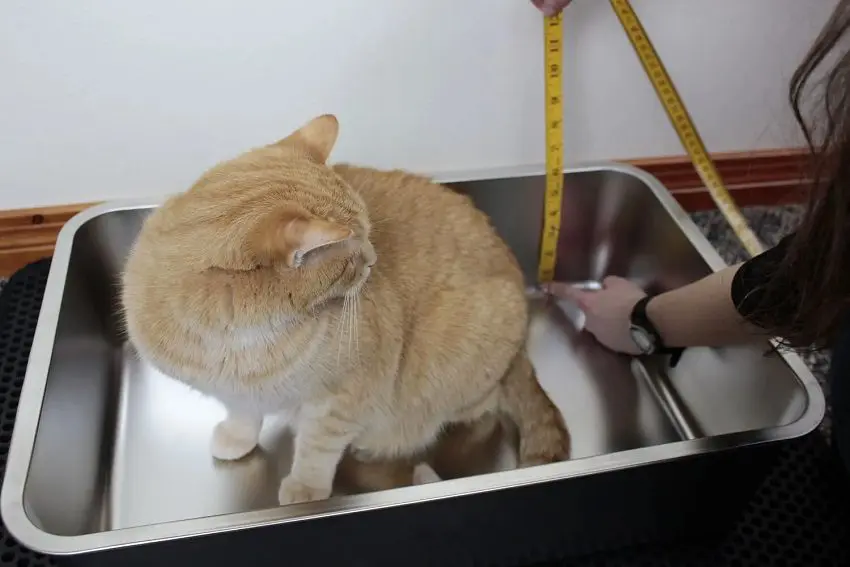
Stainless steel litter boxes offer cat owners a durable, hygienic alternative to traditional plastic models. Unlike plastic boxes, stainless steel resists scratching, staining, and odor absorption, making them easier to clean and maintain long-term. The smooth surface prevents bacteria and urine odors from settling into microscopic pores.
For cats with sensitive paws or allergies to plastic, stainless steel provides a safer option. The material doesn't leach chemicals and remains non-toxic throughout its lifespan. Pet owners report that their cats produce less litter tracking with these boxes since the slick surface doesn't accumulate dust or particles as readily.
Stainless steel litter boxes perform well in multi-cat households. The durability means they withstand frequent use and aggressive scratching without developing cracks or degradation. This longevity makes them cost-effective despite higher upfront prices compared to plastic alternatives.
Cleaning becomes simpler with stainless steel construction. Hot water, mild soap, and standard disinfectants work effectively without damaging the material. The boxes don't retain stains or persistent odors like plastic does after months of use. Some models feature removable liners or scoopable designs that reduce maintenance time.
Temperature regulation differs too. Stainless steel naturally maintains cooler temperatures, which cats often prefer, especially in warm climates. This can encourage regular box use during hot months.
The aesthetic appeal matters for households where the litter box sits in visible areas. Modern stainless steel designs complement contemporary home decor better than traditional plastic enclosures. Sleek finishes and thoughtful engineering make these boxes less of an eyesore.
Pet parents considering the switch should evaluate their specific needs. Households with multiple cats, homes focused on cleanliness, and owners dealing with persistent odor problems benefit most from st