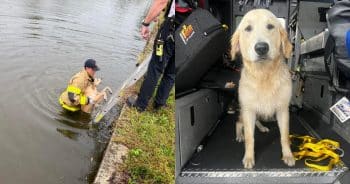
A dog pulled from a canal received rescue assistance from first responders working together to reunite the animal with its owner. The dog, found in the water, was rescued by firefighters and emergency medical services personnel who coordinated efforts at the scene.
After the rescue, the EMS crew and firefighters did not simply hand off the wet and distressed dog to animal control. Instead, they took active steps to help locate the animal's family. The team used available resources and their community connections to track down the dog's owner.
This rescue highlights how first responders extend their care beyond human emergencies. Firefighters and EMS workers regularly encounter animals in distress during their calls. Many departments train personnel in basic animal rescue and have protocols for handling found pets.
The dog's safe return demonstrates the value of microchips and identification tags. When rescuers check dogs for these markers, reunification happens faster. Pet owners can register microchips with national databases, making it easier for any scanner-equipped facility or responder to identify and contact them.
First responder agencies in many communities have begun formalizing animal rescue training. Some departments partner with local animal shelters to ensure dogs and cats receive proper care immediately after rescue. These partnerships benefit animals waiting for their owners to be found.
For pet owners, the lesson is clear: microchipping and ID tags save lives and reunite families. First responders will do everything possible to get your dog home safely. This particular rescue shows the compassion that firefighters and EMS workers bring to every call, whether helping people or their beloved pets.