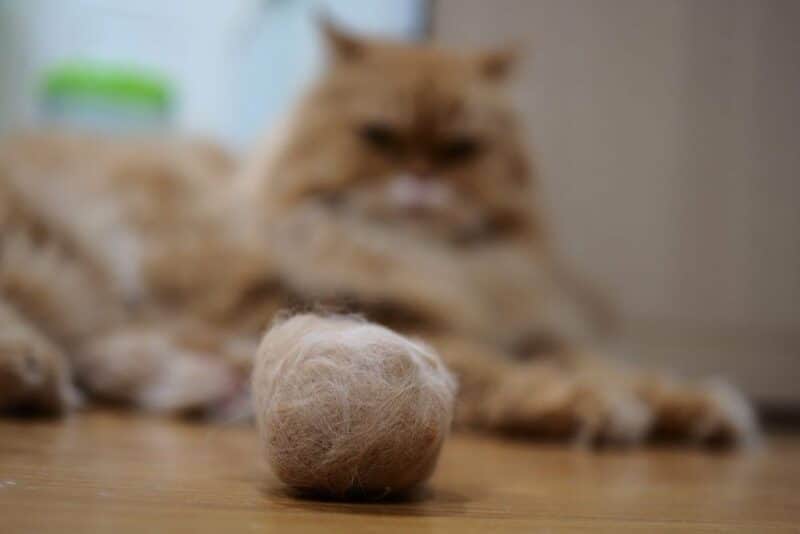
Hairballs plague many cat owners, but several straightforward strategies reduce their frequency and severity in your feline companion.
Cats develop hairballs when they ingest loose fur during grooming. Long-haired breeds and cats that groom excessively face higher risk. The hair accumulates in the stomach, forming clumps that cats eventually vomit up.
Regular brushing stands as the first line of defense. Removing loose fur before your cat swallows it directly addresses the root cause. Daily brushing works best for long-haired cats, while short-haired cats benefit from several sessions weekly. This simple habit dramatically reduces the amount of hair entering the digestive system.
Dietary adjustments also help. High-fiber foods support digestive health and move hair through the system more efficiently. Some pet food manufacturers specifically formulate hairball-control formulas with added fiber. Ask your veterinarian which brands they recommend for your cat's age and health status.
Hydration matters too. Cats that drink adequate water maintain better digestive function. Consider placing multiple water bowls throughout your home or investing in a cat water fountain, which encourages drinking through movement and aeration.
Hairball remedies like petroleum-based lubricants coat the digestive tract and ease hair passage. These over-the-counter products come as gels or treats. Administer them according to package directions, typically one to three times weekly.
Watch for warning signs that hairballs cause serious problems. Persistent vomiting, loss of appetite, lethargy, or constipation require immediate veterinary attention. Occasionally a hairball becomes lodged and necessitates professional intervention or surgery.
Your veterinarian can recommend the best combination of prevention strategies for your specific cat. Regular check-ups allow vets to monitor digestive health and address hairball issues before they escalate.