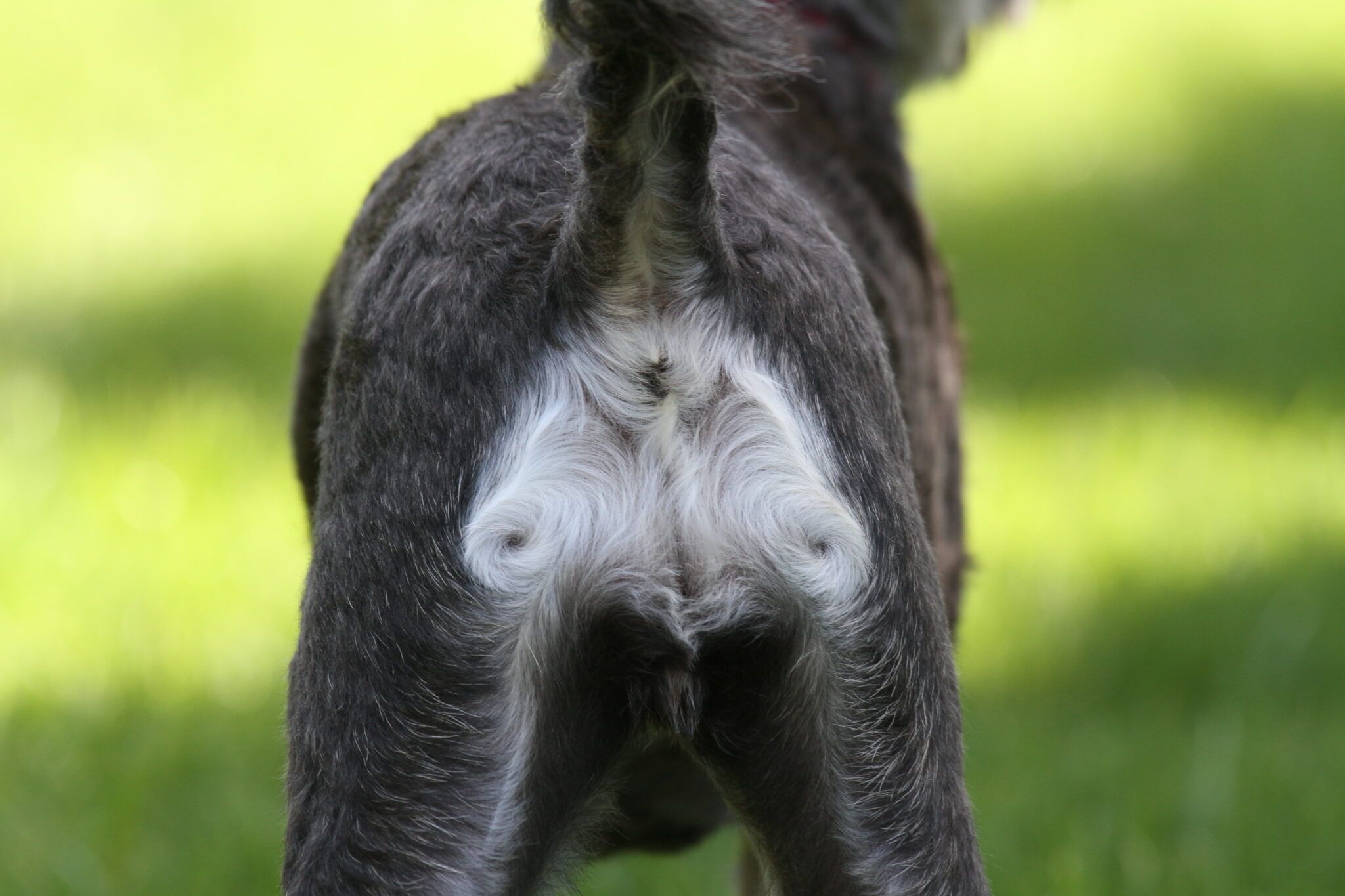
Rectal bleeding in dogs, medically termed hematochezia, ranges from minor to serious depending on severity and accompanying symptoms. Pet owners observing blood in their dog's stool need to assess whether the bleeding is mild and occasional or heavy and persistent.
Mild intermittent bleeding often points to common, treatable conditions. Intestinal parasites like roundworms and hookworms cause inflammation that leads to blood in the stool. Impacted anal glands also frequently trigger minor bleeding when they become swollen or infected. These issues respond well to veterinary treatment.
Severe or continuous rectal bleeding signals more serious underlying problems. Blood clotting disorders, inflammatory bowel disease, tumors, and infections warrant immediate veterinary attention. Dogs showing heavy bleeding alongside lethargy, loss of appetite, or pale gums need emergency care.
Hematochezia appears as bright red blood on stool or coating the outside of feces, distinguishing it from melena (dark, tarry stool from upper digestive bleeding). The location and appearance of bleeding help veterinarians pinpoint the source.
Your veterinarian starts with a physical exam and medical history. They check anal glands manually, perform blood work to evaluate clotting function, and may recommend fecal testing for parasites. More serious cases require ultrasound, endoscopy, or colonoscopy for internal examination.
Treatment depends on diagnosis. Parasite infections resolve with appropriate antiparasitic medications. Anal gland impaction may need manual expression or, rarely, surgical removal if chronically problematic. Dietary changes, probiotics, and anti-inflammatory medications help with inflammatory conditions. Clotting disorders require specialized treatment.
Prevention focuses on regular parasite control with veterinary-recommended products and maintaining digestive health through quality diet. Some breeds have genetic predisposition to bleeding disorders, making