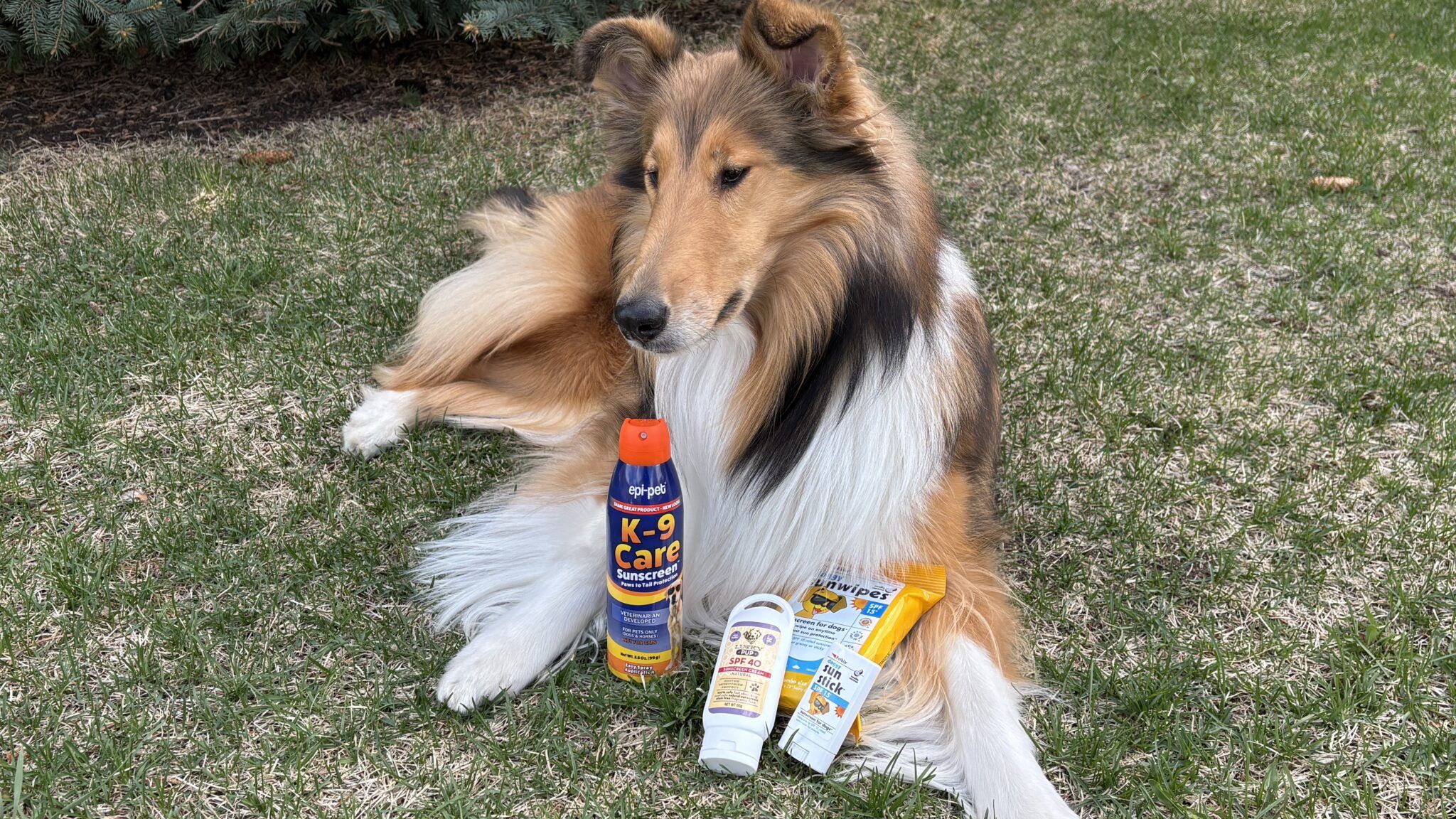
Dogs with light-colored or thin coats face real risk from sun exposure, just like humans do. Prolonged UV exposure can cause sunburn, skin damage, and increase the risk of skin cancer in dogs. Pet owners who keep their dogs outdoors for extended periods should consider applying sunscreen as part of their regular care routine.
Dog-specific sunscreen differs from human products. Sunscreens made for people often contain zinc oxide or oxybenzone, ingredients that can harm dogs if ingested during grooming. Dogs require formulations designed specifically for their skin pH and safety profile.
The best dog sunscreens share several features. They offer broad-spectrum protection against both UVA and UVB rays. Many top-rated products use pet-safe ingredients like titanium dioxide instead of harmful chemicals. Water-resistant formulas work well for dogs who swim or play in wet conditions.
Application matters as much as the product itself. Pet owners should apply sunscreen to areas with the least hair coverage, including the ears, nose, belly, and paw pads. Many dogs have pink noses that burn easily. Reapplication every two hours, or more frequently after swimming, ensures consistent protection.
Certain dogs need sunscreen more than others. Breeds with short or white coats like Pit Bulls, Dalmatians, and Bull Terriers have minimal natural UV protection. Senior dogs and those with existing skin conditions benefit from extra sun care. Dogs with shaved coats lose their natural protection entirely and require sunscreen during outdoor activities.
Whole Dog Journal recommends evaluating several top formulations to find the best fit for individual dogs. A veterinarian can recommend appropriate products based on a dog's skin type, coat color, and health history. Dogs with sensitive skin or allergies need careful product selection to avoid irritation.
Regular sunscreen application, combined with limiting outdoor time during