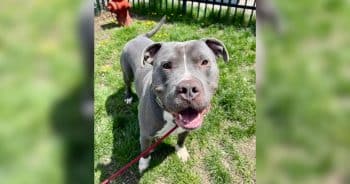
Ace is a 95-pound dog who embodies the classic paradox of large breeds: despite his substantial size, he desperately wants to be a lap dog. His adoptive family describes him as endlessly affectionate, though they come with a warning about his defining characteristic: drool. Lots of it.
Large breeds like Ace often develop this personality trait because they were bred to be close companions to humans, regardless of their physical proportions. Dogs of Ace's size typically weigh between 80 and 100 pounds, making them among the biggest domestic companions available for adoption. Breeds in this weight range, including Mastiffs, Great Danes, Saint Bernards, and Newfoundlands, naturally produce significant amounts of saliva, especially when excited or anticipating food.
The excessive drooling in large dogs stems from their anatomy. Their loose jowls and larger mouths create more surface area for saliva production. While drool seems unpleasant to humans, it serves important functions for dogs: cooling through evaporation, aiding digestion, and maintaining mouth health. For families considering a large dog like Ace, keeping towels readily available becomes part of daily life.
Ace's story highlights adoption realities for oversized dogs. Many people overlook large breeds when searching for companions, assuming they require excessive space or are difficult to manage. Reality shows differently. Dogs like Ace thrive in homes where their desire for closeness and affection receives proper attention, despite the drool factor.
Pet owners considering a dog Ace's size should prepare for furniture sharing, lap-sitting attempts (successful or not), and constant fabric care. Health considerations for large breeds include joint support, appropriate exercise, and regular veterinary monitoring for breed-specific conditions. The payoff comes in the form of a devoted, affectionate companion who sees no obstacle to being your shadow.