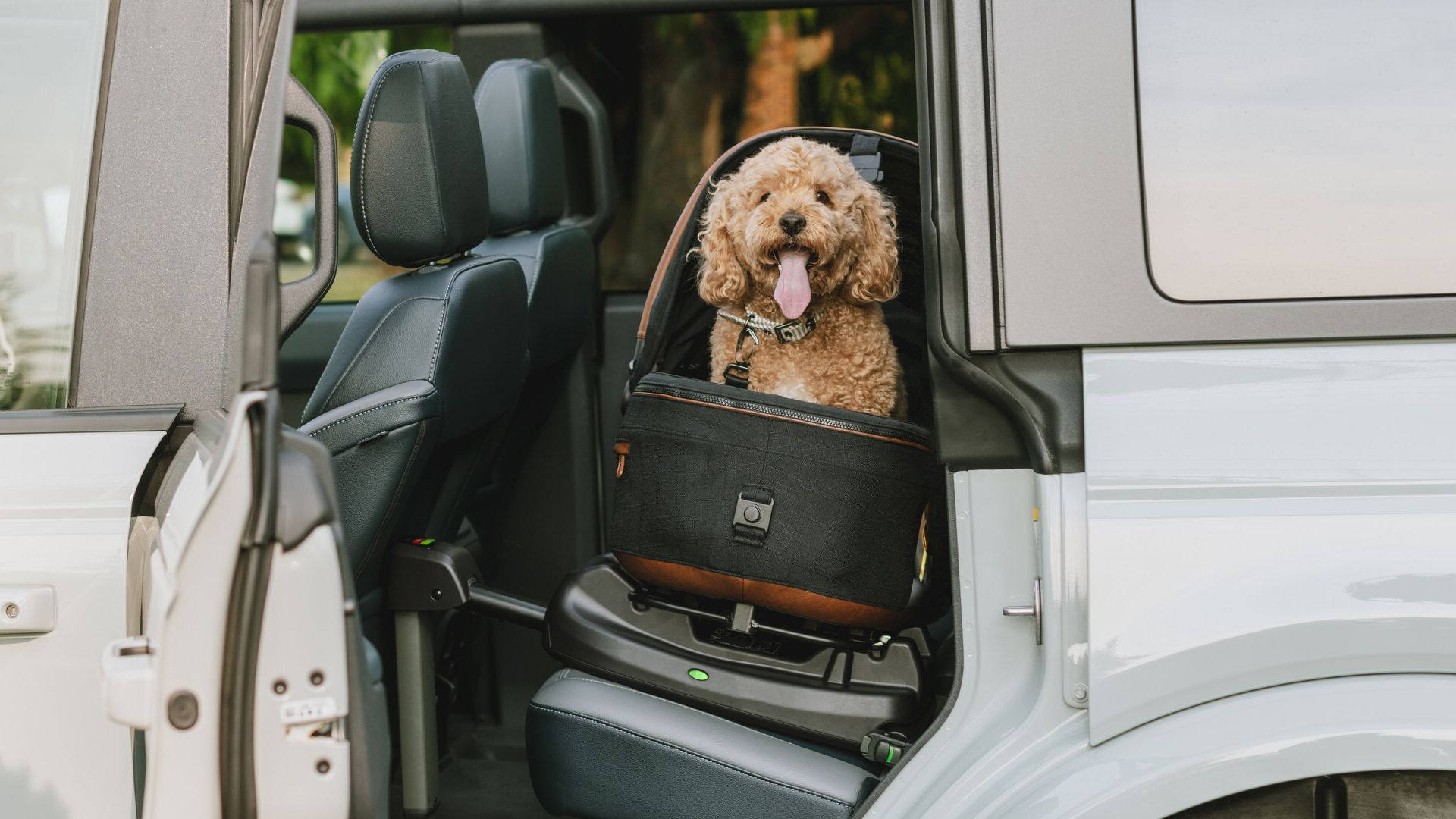
Dog car seats provide safe, comfortable restraint options for dogs traveling by vehicle. These products secure dogs using the car's seat belt system or anchor points, keeping them stable during drives while allowing them to relax or observe their surroundings.
Dogs have different preferences when riding in cars. Some sleep peacefully on the back seat, while others want a vantage point to watch the road. Quality car seats address both needs through structured, cushioned designs that accommodate various dog sizes and temperaments.
Proper car restraint matters for safety. Unrestrained dogs become projectiles in sudden stops or accidents, risking injury to themselves and passengers. Dog car seats distribute impact forces and prevent animals from distracting drivers or escaping through windows.
When selecting a dog car seat, consider your dog's size, weight, and riding habits. Seat designs vary from elevated models that give dogs a better view to cozy enclosed options for anxious travelers. Installation methods differ too. Some attach via standard seat belts, while others use LATCH (Lower Anchors and Tethers for Children) systems for more secure mounting.
Dogs weighing up to about 15 pounds typically fit standard car seats comfortably. Larger dogs may need backseat barriers or cargo area restraints instead. Quality materials matter. Look for removable, washable covers and padding that resists wear from claws and movement.
Veterinarians recommend acclimating dogs to car seats gradually. Start with short trips in a parked car, then brief drives around the block. Positive associations help anxious dogs relax during longer journeys.
Whole Dog Journal reviews and recommends specific car seat options across different categories and price ranges. Pet owners should test products with their individual dogs when possible, as comfort preferences vary. A dog that enjoys watching traffic needs different seating than one prone to motion sickness or car anxiety.