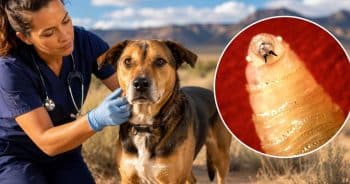
The U.S. Department of Agriculture has confirmed the first New World screwworm infection in a domestic dog in New Mexico. This marks a concerning expansion of a parasitic threat that veterinarians and pet owners should understand.
New World screwworms are the larvae of the Cochliomyia hominivorax fly. These parasites burrow into the flesh of living animals, causing severe tissue damage and infections. The larvae feed on healthy tissue and body fluids, creating painful wounds that deteriorate rapidly without treatment. Dogs can contract screwworms through breaks in their skin, bite wounds, or surgical incisions.
The New Mexico case signals that screwworms have spread into new territory. Historically, this parasite has been most common in Central and South America, with occasional cases in southern U.S. states. Warm, humid conditions favor the fly's reproduction, making summer months particularly dangerous.
Pet owners in affected regions should monitor their dogs closely for open wounds or unusual behavior. Signs of screwworm infestation include foul-smelling discharge from wounds, persistent scratching at a specific area, lethargy, and fever. Any suspicious wound requires immediate veterinary attention. A vet can identify screwworm larvae through examination and prescribe treatment.
Prevention focuses on wound management. Keep your dog's wounds clean and covered when possible. Prompt treatment of cuts, bites, and surgical incisions reduces infection risk. During warm months in susceptible areas, check your dog daily for skin injuries.
The USDA's Animal and Plant Health Inspection Service (APHIS) works to control screwworm populations through monitoring and eradication programs. If you live in New Mexico or nearby states and notice signs of screwworm in your dog, contact your veterinarian immediately. Early intervention improves outcomes significantly. Report suspected cases to local animal health officials to