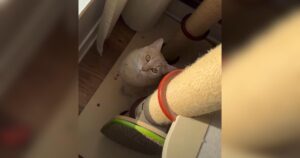
When a cat's primary human leaves town, the feline often transfers their attention to whoever remains behind. One cat spent five days evaluating his "spare human" while his owner traveled, and the results were not flattering.
The cat's critical assessment played out through classic feline behavior. Indoor cats form attachments to their primary caregivers but do not automatically extend the same warmth to substitute humans. This cat clearly communicated his standards to the house-sitter through selective affection, strategic aloofness, and pointed indifference to attempts at bonding.
Cats are creatures of routine and preference. They bond with individuals based on feeding schedules, play patterns, and overall familiarity. When a substitute caregiver arrives, many cats withhold their usual friendliness as a form of protest or assessment. This behavior reflects a cat's independent nature rather than true rejection.
The five-day evaluation mirrors how cats typically behave during transitions. They observe new humans carefully, testing whether the temporary caregiver meets their expectations. Some cats warm up gradually. Others maintain their cool demeanor throughout, essentially grading the stand-in against their preferred human's performance.
House-sitters and pet-sitters working with cats often encounter this dynamic. Cats may refuse to eat immediately, avoid interaction, or exhibit dramatic disinterest in activities they normally enjoy. The feline is not necessarily unhappy. They are asserting preferences and communicating that the arrangement is temporary and slightly below their usual standards.
Pet owners preparing to travel should brief substitute caregivers about their cat's personality. Some cats require extra patience during transitions. Others warm up faster if given space and familiar routines. Maintaining feeding schedules, play times, and environmental consistency helps cats adjust to temporary caregivers.
This particular cat's five-day judgment period is relatable to cat owners everywhere. The cat ultimately survived the experience,