Dogs display intelligence that extends far beyond simple obedience. Researchers actively study canine cognition as dogs take on increasingly complex roles in human society, from military and search-and-rescue work to therapy and service positions.
Scientific evidence shows dogs possess problem-solving abilities, memory, and social understanding. They read human facial expressions and body language with remarkable accuracy. Studies reveal dogs can learn commands, recognize individual words, and even understand object permanence. Some breeds demonstrate stronger aptitude for specific tasks. Border Collies, for instance, excel at herding and complex instruction-following, while Bloodhounds leverage exceptional scent-tracking abilities developed over centuries of selective breeding.
Dogs also display emotional intelligence. They respond to human distress, comfort anxious companions, and form lasting bonds with their owners. Their capacity for empathy and attachment shows mental depth beyond instinct-driven behavior. Recent research suggests dogs can anticipate human actions and adapt their own behavior accordingly.
The expanding role of dogs in modern life reveals new dimensions of their capabilities. Military and police dogs perform sophisticated detection work, identifying explosives and narcotics with precision. Service dogs assist people with disabilities by recognizing medical alerts, opening doors, and providing mobility support. These demanding roles require learning, decision-making, and reliability that highlight canine intelligence.
However, dog intelligence differs from human intelligence. Dogs don't process information the same way humans do. They excel at reading social cues and understanding spatial relationships, but struggle with abstract reasoning. Their brains evolved specifically to live alongside humans, making them exceptionally attuned to our needs and communication styles.
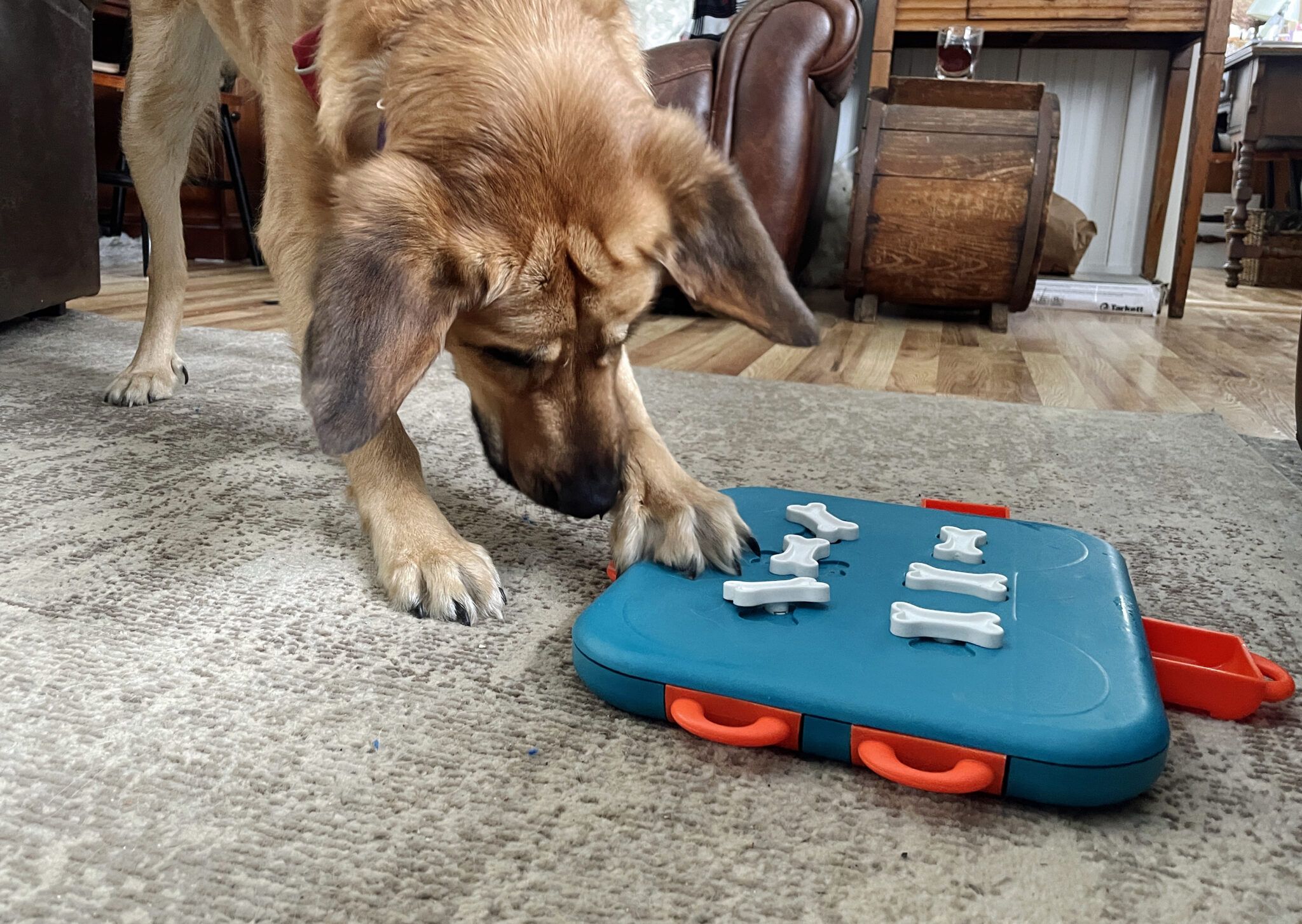
Understanding your dog's intellectual capacity helps owners set realistic expectations and provide appropriate mental stimulation. Interactive toys, training sessions, and problem-solving games keep dogs engaged. Puzzle feeders and scent-work activities tap into their natural cognitive abilities.
The research continues to evolve. Veterinary behavio