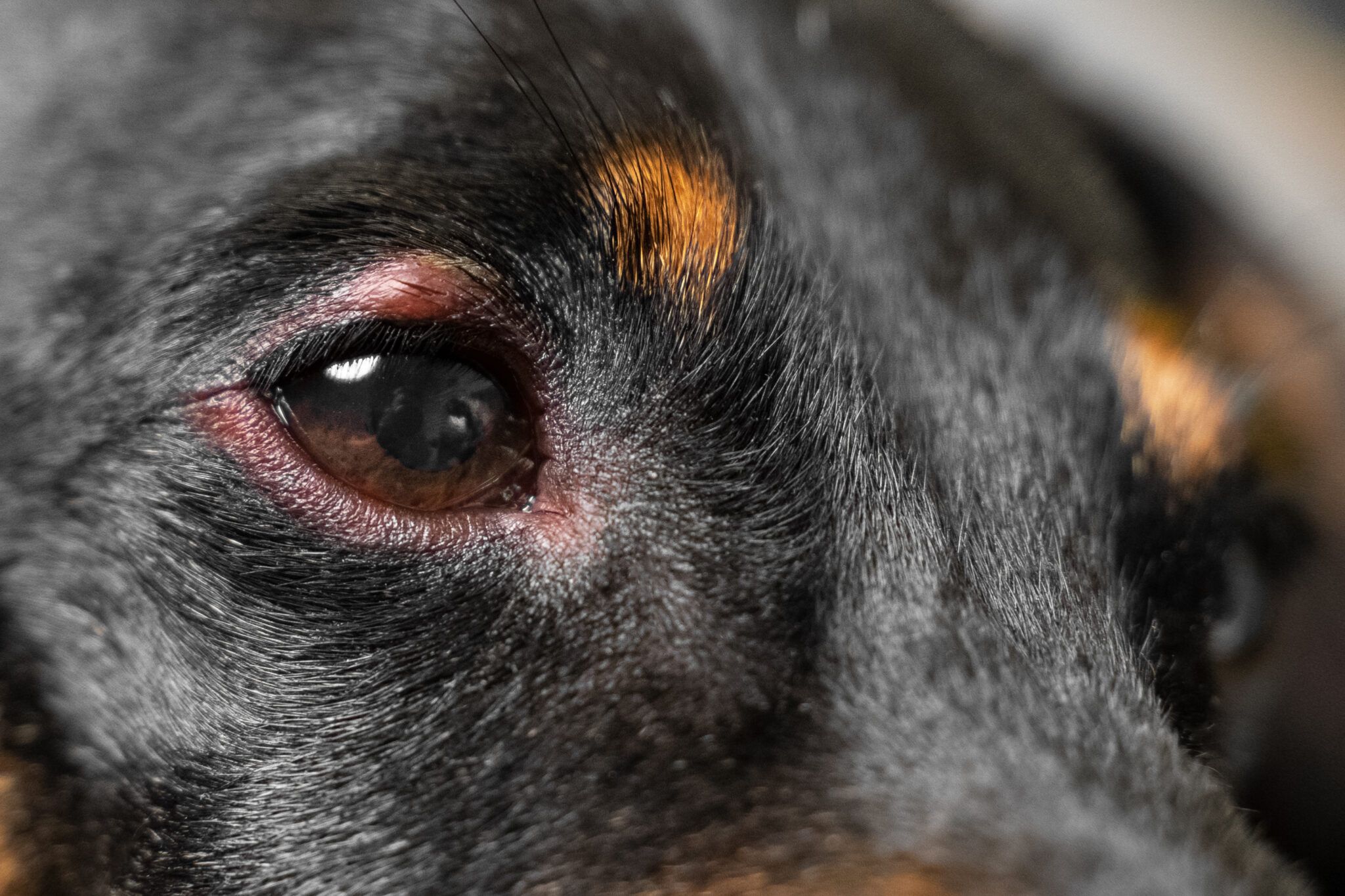
A stye in dogs causes a painful red bump on the eyelid, forming when an oil gland or hair follicle becomes infected or inflamed. Dog owners often struggle to determine whether their pet needs immediate veterinary attention or can be managed at home.
Styes develop when bacteria infect the meibomian glands that line the eyelid, or when hair follicles become irritated. The condition appears as a localized swelling, redness, and tenderness around the affected area. Dogs with styes often squint, paw at their eyes, or show increased tearing and discharge.
Most minor styes respond well to home care. Warm compresses applied to the affected eyelid several times daily can reduce inflammation and encourage drainage. Use a clean, soft cloth or gauze pad soaked in warm (not hot) water. Apply gentle pressure for 5-10 minutes at a time. This simple approach often brings relief within several days.
Keep your dog's eye area clean and prevent secondary infection by washing your hands before touching the area. Avoid allowing your dog to rub or scratch the stye, as this spreads bacteria and worsens irritation. An Elizabethan collar may help prevent self-trauma during healing.
Consult your veterinarian if the stye shows no improvement within a week, worsens rapidly, causes significant eye discharge, or affects your dog's vision. Your vet may prescribe antibiotic eye drops or ointments if bacterial infection spreads. In rare cases, a stye develops into a chalazion, a chronic inflammation requiring professional treatment.
Veterinary attention becomes urgent if your dog experiences severe pain, swelling that closes the eye, or signs of systemic infection like fever or lethargy. These symptoms suggest the infection has spread beyond the eyelid.
Prevention involves maintaining good e