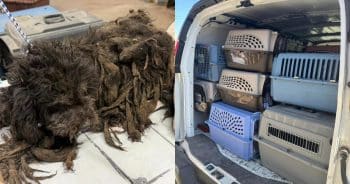
# 41 Dogs Begin Recovery After Rescue from Hoarding Situation
Animal rescuers removed 41 dogs from a suspected hoarding case, launching a critical recovery effort for animals living in severe neglect. The dogs now receive veterinary care, proper nutrition, and socialization as they transition to safety.
Hoarding cases present complex challenges for rescue organizations. Dogs in these situations often suffer from malnutrition, untreated medical conditions, behavioral issues from confinement, and lack of socialization. Each animal requires individualized assessment and a customized care plan.
The rescued dogs face a lengthy rehabilitation process. Veterinarians will screen each dog for parasites, infectious diseases, dental problems, and injuries. Many animals from hoarding environments show signs of stress and fear, requiring patient behavioral rehabilitation before they can trust humans again.
Rescue staff provides structured socialization activities to help the dogs rebuild confidence. They introduce the animals to new environments, sounds, people, and other dogs in controlled settings. This gradual exposure helps traumatized dogs understand that their surroundings are safe.
Finding permanent homes for 41 dogs demands significant resources from rescue organizations. Staff members work to match each dog's personality and needs with adopters capable of providing ongoing care. Some dogs require special accommodations or continued medical treatment after adoption.
Hoarding cases reveal the limits of individual caregiving capacity. While hoarders often believe they provide adequate care, overcrowding prevents proper hygiene, veterinary attention, and individual animal needs from being met. Legal intervention protects animals from these dangerous situations.
The public can support rescue efforts by adopting from shelters, donating supplies or funds, or volunteering time. Each rescued dog deserves a second chance at a healthy, safe life with proper care and human companionship.