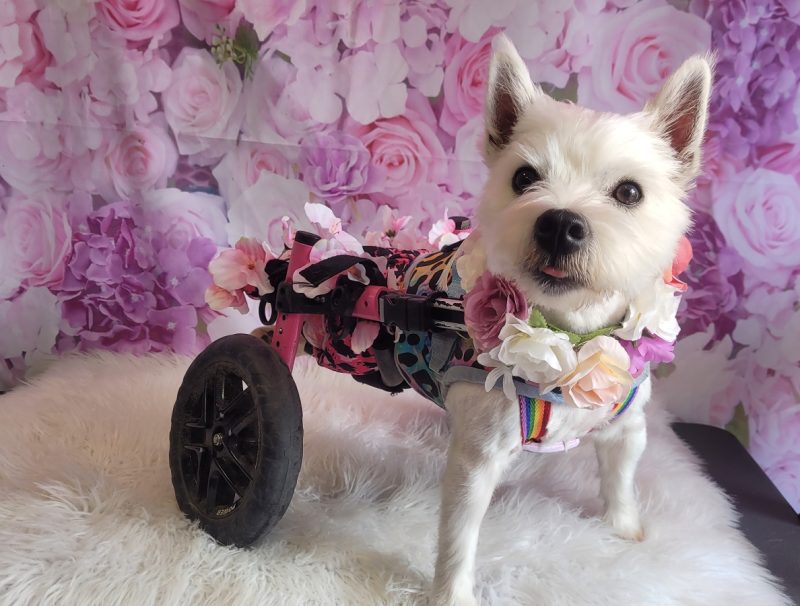
# Pumpkin the Wheelie Dog's Inspiring Journey
Pumpkin, a dog living with hind limb paralysis, has become an inspiring example of how canines adapt to mobility challenges with the help of modern assistive devices and devoted caregivers.
The dog uses a wheeled cart, commonly called a "wheelie" or dog wheelchair, to move independently despite losing function in her back legs. This device allows Pumpkin to maintain quality of life and continue participating in daily activities alongside her family.
Dogs like Pumpkin typically need wheeled carts when they experience spinal cord injuries, degenerative myelopathy, or other conditions affecting rear leg mobility. The devices distribute weight properly and allow dogs to exercise, socialize, and explore their environment without depending entirely on human assistance for movement.
Pumpkin's story highlights how owners can support disabled dogs through adaptive equipment and unwavering commitment. Wheeled carts come in various designs, from DIY versions to professionally manufactured options from companies specializing in pet mobility aids. Proper fitting remains essential to prevent pressure sores and ensure the dog can move comfortably.
Veterinarians often recommend these devices as part of a comprehensive care plan. Physical therapy, pain management, and environmental modifications like ramps and non-slip flooring complement wheelchair use. Many disabled dogs show remarkable resilience and continue enjoying walks, playtime, and social interaction once equipped with the right tools.
Pumpkin's journey demonstrates that a mobility limitation does not mean a low quality of life. With appropriate medical care, assistive devices, and loving support, paralyzed dogs thrive emotionally and physically. Her story encourages other pet owners facing similar challenges to explore options that keep their disabled companions active and engaged.