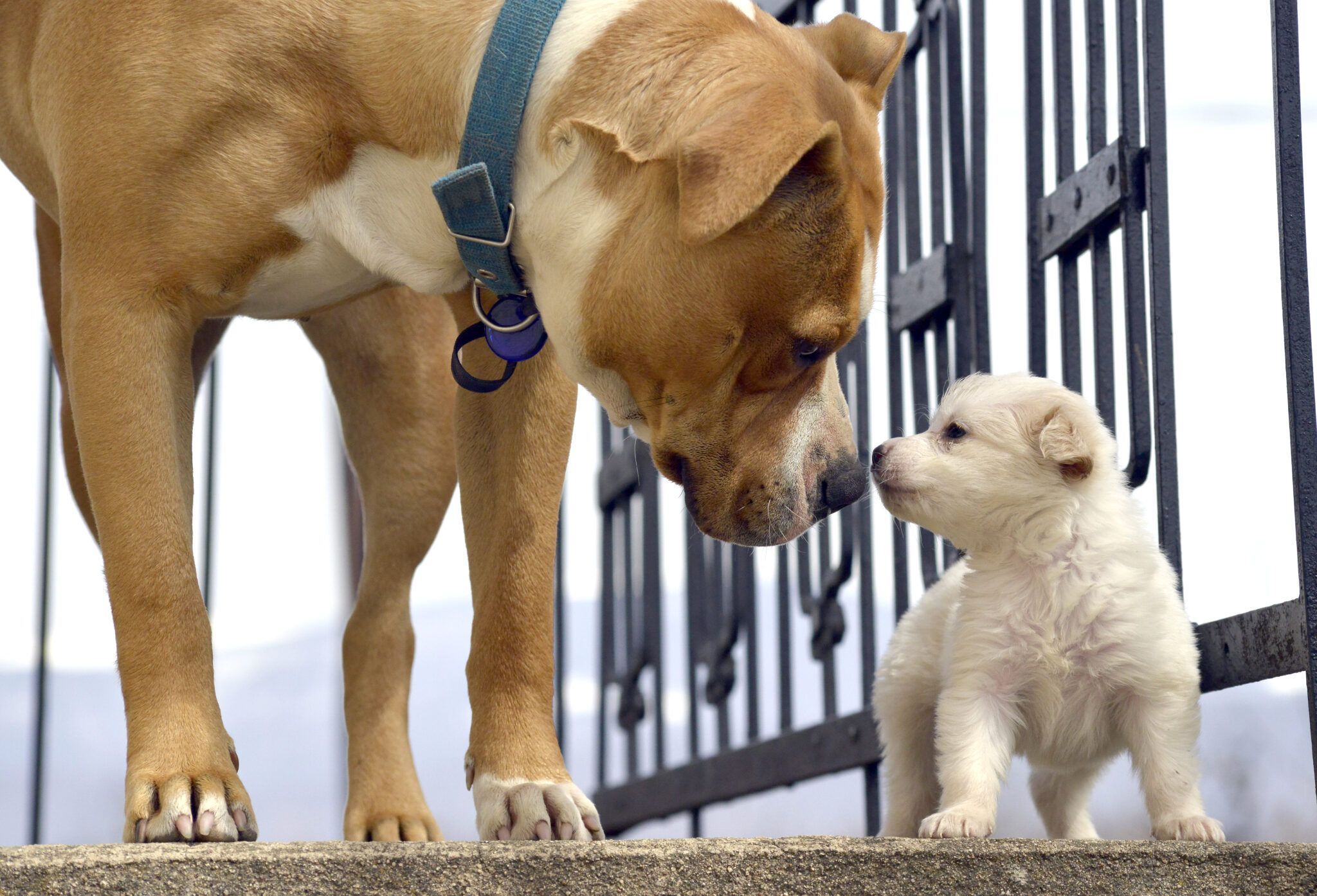
Dogs communicate with each other through a complex system that goes far beyond the casual tail wags dog owners observe at the park. When two dogs meet, they exchange information simultaneously across multiple channels: body language, facial expressions, vocalizations, and scent marking.
Body language forms the foundation of canine communication. A dog's posture, ear position, and tail carriage broadcast emotional states and intentions. A high, stiff tail paired with forward ears signals confidence or alertness, while a tucked tail with pinned-back ears indicates fear or submission. Dogs also use play bows, where the front legs stretch forward and the rear end stays elevated, to initiate friendly interaction.
Facial expressions complement body signals. Soft eyes with relaxed mouths convey friendliness, while a hard stare or bared teeth communicates threat or aggression. Dogs read these subtle cues instantly, allowing them to assess whether another dog poses danger or offers play.
Vocalizations add another layer. Barks, growls, whines, and whimpers each carry distinct meanings. A high-pitched play bark differs dramatically from a low, sustained growl. Whines often signal distress or anticipation, while playful dogs may emit rapid, excited yips.
Scent communication proves equally sophisticated. Dogs possess an extraordinary sense of smell and use urine, feces, and anal gland secretions to leave chemical messages. These scent marks convey information about identity, reproductive status, and territory. When dogs sniff each other during greetings, they gather detailed information about the other animal's health, diet, and emotional state.
During a typical dog park encounter, all these communication methods work together. The initial sniff allows chemical analysis. Simultaneous body language signals intention. Brief vocalizations may punctuate the exchange. Within seconds, both dogs understand whether they should play, ignore