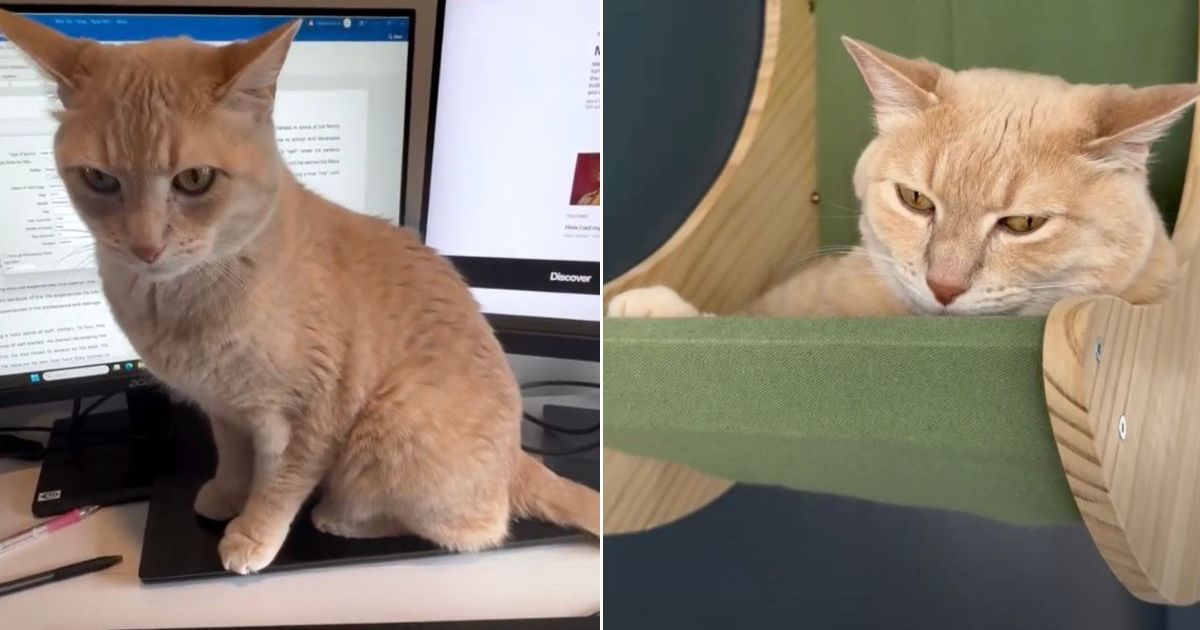
Cats have no patience for their humans' substitutes. A feline recently demonstrated just how unforgiving they can be when left in the care of anyone other than their preferred caregiver for five days.
Unlike dogs, cats make little effort to hide their hierarchy of human preferences. They reserve affection for select people and communicate displeasure freely through behavior changes, body language, and selective attention. For caregivers ranked lower in a cat's estimation, this creates a challenging dynamic. The cat in this situation made its disapproval abundantly clear during the extended separation from its primary person.
Cats thrive on routine and familiar faces. When their preferred caregiver disappears, stress levels spike. Secondary caregivers often face cold shoulders, refusal to eat normally, litter box avoidance, or even aggression. Some cats respond by hiding for days. Others become demanding and vocal. This particular feline's five-day ordeal with the "spare human" illustrated just how far cats will go to express their discontent.
For pet owners planning absences longer than a day or two, preparation matters. Before leaving a cat with an alternate caregiver, spend time acclimating the cat to that person. Have the substitute visit multiple times. Let them handle feeding, playtime, and litter box maintenance while the primary caregiver is present. This reduces stress during actual separation.
Cats also benefit from maintaining their normal environment. Keep the same feeding schedule, food type, and litter box locations. Leave an item with your scent on it for comfort. Ensure the substitute caregiver knows your cat's individual quirks and preferences.
While this particular cat survived its five-day ordeal, the experience highlights the importance of proper planning for feline care. Cats form strong bonds with their preferred humans, and disrupting that bond creates real stress. When travel becomes necessary, invest time